
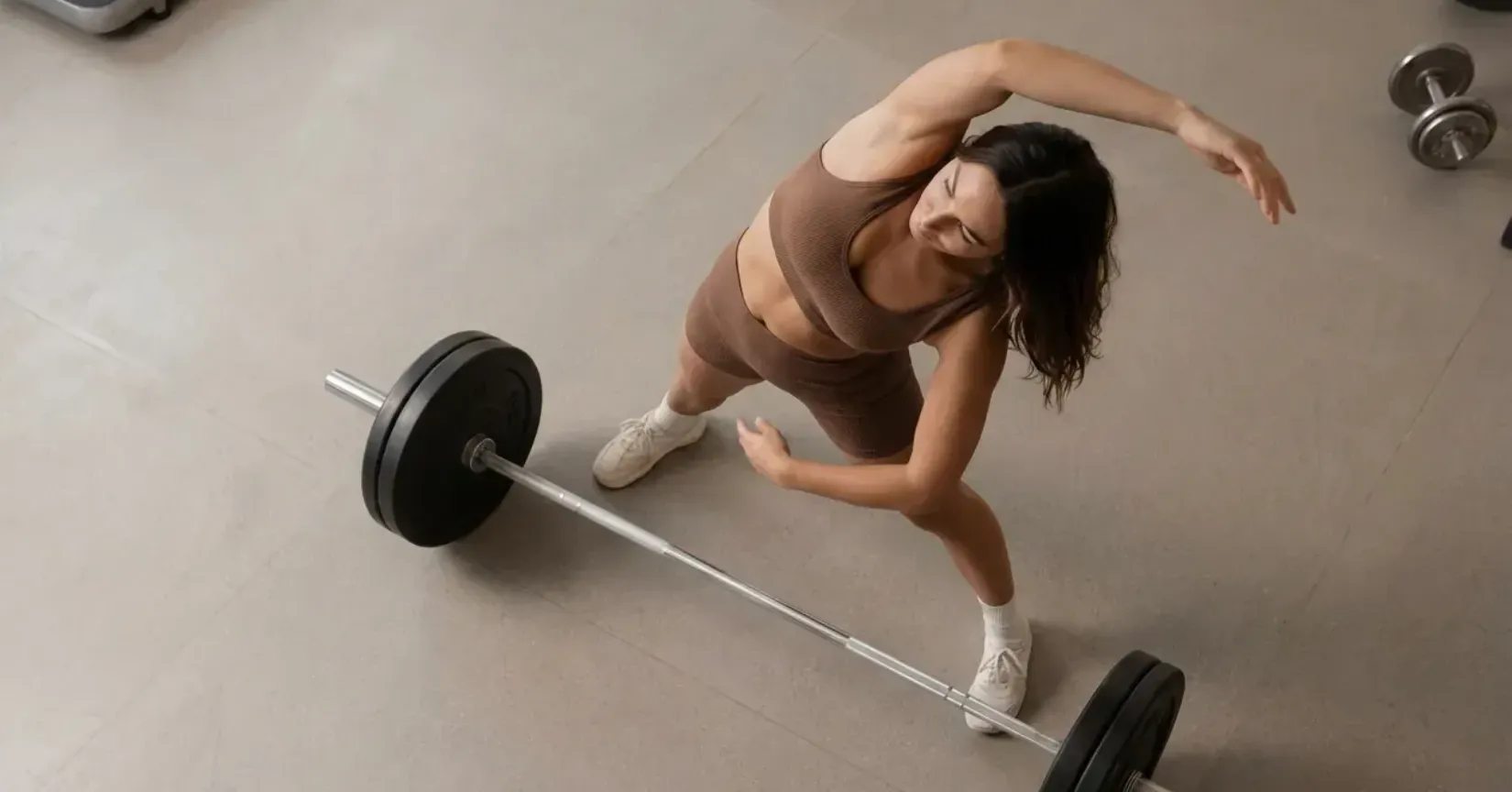
What Are GLP-1 Desk Exercises and Why Do They Matter?
GLP-1 desk exercises are simple, low-impact movements you can do right at your workstation — and they may do more for your overall wellness than you might expect. If you are on a GLP-1 wellness journey or simply looking to build healthier habits into a busy workday, staying active at your desk is one of the most accessible and practical strategies available to you right now.
Think about how much of your day is spent seated. Most working adults in the United States spend between 8 and 10 hours sitting each day — at a desk, in meetings, or in front of a screen. That adds up to thousands of hours per year of near-total physical inactivity during waking hours. Even people who exercise regularly in the morning or evening are not immune to the metabolic effects of prolonged daily sitting.
Breaking up that sedentary time with brief, intentional movement — what wellness experts now call "active working" — is increasingly recognized as a cornerstone of modern workplace health. And when you layer that movement on top of a GLP-1 wellness program, the combined effect on your energy, metabolism, and overall sense of wellbeing can be genuinely motivating.
If you are exploring whether GLP-1 therapy might be right for you, or if you are already on a program and want to get the most out of it, the licensed providers at Genesis GLP-1 Program can help you build a personalized plan that fits your lifestyle — including how movement plays a meaningful role in your results.
The bottom line is this: GLP-1 desk exercises are not just a nice bonus. For anyone serious about their wellness journey, they are a simple, no-cost tool that takes minutes a day and compounds over time.
How Movement Supports Your Body's Natural GLP-1 Response
To understand why GLP-1 desk exercises matter, it helps to understand what GLP-1 actually is and what it does in your body.
GLP-1 — glucagon-like peptide-1 — is a hormone your gut naturally produces after you eat. Its primary roles include signaling to your brain that you feel full, supporting healthy blood sugar balance after meals, and contributing to the regulation of energy metabolism. GLP-1 receptor agonist medications work by mimicking and amplifying this natural hormone signal, helping the body respond more effectively to food and energy inputs.
Here is what surprises many people: your body does not only produce GLP-1 in response to eating. Physical activity also appears to stimulate endogenous GLP-1 secretion. Research published through the National Center for Biotechnology Information found that exercise can meaningfully increase the body's own GLP-1 output, suggesting that movement and GLP-1 therapy are not separate tools — they are complementary ones that may work together to support your goals more effectively than either alone.
On top of that, a peer-reviewed study on PubMed demonstrates that even low-to-moderate intensity physical activity supports improved insulin sensitivity and healthier metabolic function — two outcomes closely connected to the pathways GLP-1 influences in the body. This means that even gentle movement at your desk is contributing something real and measurable to your body's internal environment.
Beyond the metabolic science, regular movement breaks throughout the workday also deliver immediate, day-to-day benefits that most people notice quickly. These include better circulation, reduced stiffness in the neck and lower back, sharper afternoon focus, more stable energy levels without relying on extra caffeine, and a general sense of feeling less sluggish by end of day.
For anyone on a GLP-1 program, these benefits are especially valuable because they reinforce the positive momentum that GLP-1 therapy helps create. To learn more about how GLP-1 therapy works and whether it may be a good fit for your health goals, the team at Genesis offers a clear, straightforward overview of the process.
7 Powerful GLP-1-Supporting Desk Exercises to Try Today
None of these exercises require equipment, a change of clothes, or more than a few square feet of space. They are designed to be done discreetly and efficiently, fitting into even the busiest workday schedule.
1. Seated Marching
Sit tall in your chair with your back straight and both feet flat on the floor. Begin alternating knee lifts, raising each knee toward your chest in a slow, deliberate marching motion. Continue for 30 to 60 seconds. This movement activates your hip flexors, engages your core, and immediately improves circulation in your lower body. It is one of the gentlest and most accessible GLP-1 desk exercises, making it an ideal starting point for beginners or anyone in the early stages of their wellness journey.
2. Chair Squats
Stand directly in front of your chair with your feet shoulder-width apart. Slowly lower yourself as if you are about to sit, stopping just as your glutes make light contact with the seat, then press through your heels to stand back up. Repeat 10 to 15 times. Chair squats are among the most metabolically valuable GLP-1 desk exercises because they recruit your quadriceps, hamstrings, and glutes — the largest muscle groups in the body. A study on PubMed confirms that engaging major lower-body muscles through resistance-style movements supports glucose uptake and improved metabolic efficiency, which is directly relevant to anyone on a GLP-1 wellness journey.
3. Desk Push-Ups
Stand arm's length from your desk and place both hands on the edge, slightly wider than shoulder-width. Step your feet back so your body forms a diagonal line, then bend your elbows to lower your chest toward the desk before pressing back up. Aim for 2 sets of 10 repetitions. Desk push-ups strengthen your chest, shoulders, and triceps, and they can be completed in professional attire without elevating your heart rate enough to cause visible sweating — making them one of the most office-friendly upper-body GLP-1 desk exercises available.
4. Calf Raises
Stand behind your chair and lightly hold the back for balance. Press through the balls of both feet to rise onto your toes, hold the top position for two seconds, then slowly lower back down. Complete 20 repetitions. This simple movement significantly improves circulation in the lower legs and feet — an area that tends to suffer most from long periods of seated inactivity. If you are curious about what a complete GLP-1 lifestyle support plan looks like beyond exercise, the wellness resources at Genesis provide practical, patient-friendly guidance for every stage of the journey.
5. Seated Torso Twists
Sit upright with your feet flat on the floor and interlace your fingers behind your head. Keeping your hips stable and facing forward, slowly rotate your upper body to the left as far as is comfortable, hold for two to three seconds, then rotate to the right. Repeat 8 to 10 times on each side. Torso twists activate your obliques and deep spinal muscles, improve rotational mobility, and help counteract the postural tightening that builds up from hours of sitting in a fixed position.
6. Isometric Wall Sits
Find a section of open wall near your workspace. Place your back flat against the wall and slowly slide down until your thighs are roughly parallel to the floor, as if sitting in an invisible chair. Hold this position for 20 to 45 seconds, rest for 30 seconds, and repeat twice. Wall sits are a high-output, zero-equipment GLP-1 desk exercise that simultaneously challenges your quads, hamstrings, glutes, and core — producing a meaningful muscle engagement response in a very short amount of time.
7. Standing Desk Lunges
If you have a standing desk or any open floor space nearby, this one delivers excellent full-body activation. Step one foot forward and lower your back knee toward the floor, keeping your front knee directly above your ankle. Press back up to standing and alternate legs. Aim for 10 repetitions per side. Lunges are one of the most complete lower-body GLP-1 desk exercises you can do, targeting multiple major muscle groups while also challenging your balance and coordination.
How Often Should You Do GLP-1-Supporting Desk Exercises?
The research is clear: the frequency of movement matters more than the duration of any single session when it comes to counteracting the effects of sedentary work. Rather than saving all your movement for one long break, the goal is to distribute short activity bursts evenly throughout your day.
A landmark study through NCBI found that breaking up prolonged sitting with brief bouts of light-intensity activity significantly improved postprandial glucose and insulin responses compared to remaining seated for the same period of time. For individuals on a GLP-1 program where blood sugar balance is a meaningful goal, this finding adds real scientific weight to the practice of frequent desk exercise breaks.
The practical target: aim for two to five minutes of GLP-1 desk exercises every 30 to 60 minutes throughout your workday. Here is what a realistic daily schedule might look like:
9:00 AM — Seated marching and torso twists to wake up the body and set an active tone for the morning
10:30 AM — Chair squats and calf raises to engage the lower body before a mid-morning meeting
12:00 PM — Desk push-ups before or after lunch to activate the upper body and support post-meal metabolism
2:00 PM — Isometric wall sit during the classic afternoon energy slump to re-engage your muscles and sharpen focus
3:30 PM — Standing lunges to power through the final stretch of the workday with energy and intention
Setting a repeating timer on your phone or using a free productivity app can remove the mental effort of remembering when to move, making it far easier to build this habit consistently into your GLP-1 wellness routine.
Combining GLP-1 Desk Exercises With Your GLP-1 Wellness Journey
GLP-1 desk exercises deliver their greatest benefit when they are woven into a broader, intentional wellness strategy rather than treated as an isolated activity. If you are currently participating in a GLP-1 program under the supervision of a healthcare provider, incorporating regular movement — even in these small, desk-friendly formats — helps build the daily habits that support lasting results.
Pair movement with mindful eating. One of the well-known effects of GLP-1 therapy is a natural shift in appetite and hunger cues. Using your desk exercise breaks as intentional transitions before and after meals can help reinforce healthier eating rhythms and reduce the likelihood of mindless snacking at your desk. For nutrition strategies that work alongside GLP-1 therapy, explore the lifestyle and nutrition guidance at Genesis.
Track your activity and celebrate consistency. Habit tracking apps like Apple Health or Google Fit, or even a simple paper log, can help you visualize your GLP-1 desk exercise streak over days and weeks. Seeing consistent effort accumulate is one of the most effective motivators for continuing any new health behavior.
Stay connected with your care team. Your healthcare provider is your best resource for tailoring your exercise plan to your specific GLP-1 program and health status. The licensed providers at Genesis specialize in GLP-1 wellness and understand how movement fits into the bigger picture of your results — connecting you with expert guidance that goes far beyond a prescription.
Progress naturally over time. Desk exercises are a powerful starting point, but they are also a gateway. As your energy improves, your confidence grows, and your body responds to GLP-1 therapy, many people find themselves naturally motivated to extend their movement into longer daily walks, beginner strength training, cycling, or group fitness classes. Let your desk routine be the foundation, not the ceiling.
Tips to Stay Consistent With GLP-1 Desk Exercises
Knowing what to do and actually doing it consistently are two very different challenges. Here are the most effective strategies for turning GLP-1 desk exercises from a good intention into a lasting daily habit.
Use environmental cues. Place a sticky note on your monitor, a resistance band around your chair arm, or a small visual reminder near your keyboard. Physical environmental cues are one of the most reliable triggers for habit formation because they remove the need to rely on memory or willpower alone.
Stack your exercises onto existing habits. Habit stacking — the practice of attaching a new behavior to an existing one — is a proven strategy for sustainable change. Try doing calf raises every time you wait for a file to load, seated marching during video calls with your camera off, or chair squats every time you return from the bathroom.
Build social accountability. Tell a coworker about your GLP-1 desk exercise routine and invite them to join you. Even a brief check-in at the end of the day significantly increases follow-through rates compared to going it alone.
Start with just one exercise. If the idea of a full seven-exercise rotation feels overwhelming at first, simplify. Commit only to chair squats after every bathroom break for the first week. Once that feels automatic, add one more movement. Small, compounding steps build more durable habits than ambitious plans that fade after a few days.
Acknowledge your wins. Did you hit all your movement breaks today? That deserves recognition. Positive self-reinforcement activates reward pathways in the brain that make you more likely to repeat the behavior tomorrow. The Genesis team understands that real, lasting progress is built one small decision at a time — and their whole-person approach to GLP-1 wellness supports patients well beyond medication management.
Frequently Asked Questions About GLP-1 Desk Exercises
Can desk exercises really support my GLP-1 wellness goals?Yes, in meaningful ways. Movement supports overall metabolic health, may complement the pathways that GLP-1 therapy activates, and helps build the daily lifestyle habits that contribute to long-term wellness. Always consult your healthcare provider for guidance personalized to your situation.
Do I need any equipment for these GLP-1 desk exercises?No equipment is needed. Every exercise in this guide can be performed using only your chair, your desk, and a small area of open floor space. That is by design — accessibility and zero barriers to entry are what make these exercises actually sustainable.
How long should each GLP-1 desk exercise session be?Two to five minutes every 30 to 60 minutes is the evidence-supported target. Brief, frequent movement breaks throughout the day are more beneficial for metabolic health than one longer session, especially for those on a GLP-1 wellness program.
Are these exercises appropriate for everyone?These movements are designed to be gentle, low-impact, and broadly accessible. That said, if you have an existing injury, a mobility limitation, or any health condition that affects your ability to exercise, always consult your healthcare provider before starting a new movement routine.
What is the single best desk exercise for GLP-1 support?Chair squats and wall sits consistently rank as the most metabolically impactful options because they activate the body's largest muscle groups. However, the best GLP-1 desk exercise is ultimately the one you will do every single day — consistency always outperforms perfection.
Where can I learn more about starting a GLP-1 program?If you are ready to explore GLP-1 therapy with the guidance of licensed, experienced providers, Genesis offers a clear, patient-centered process that you can begin from the comfort of home.
Discaimer
This article is for informational purposes only and does not constitute medical advice. The information contained herein is not a substitute for and should never be relied upon for professional medical advice. Always talk to your doctor about the risks and benefits of any treatment. Learn more about our editorial standards here.