
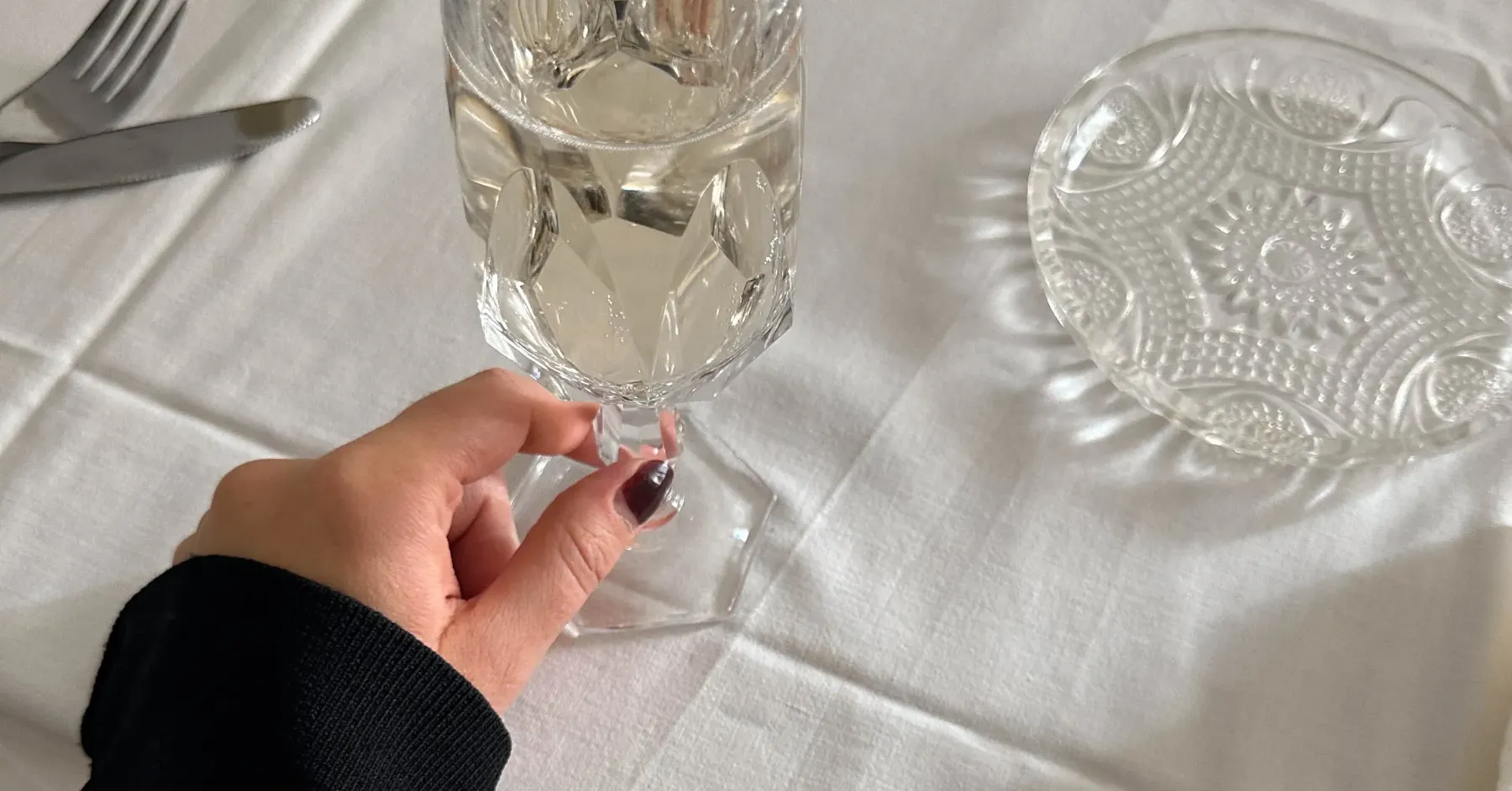
When your appetite has genuinely shifted, your portions are smaller, certain foods feel uncomfortable, and you are actively managing your health goals, navigating a dinner party can feel like a diplomatic mission. How do you communicate your needs to a host without making it awkward? How do you honor your GLP-1 medication for weight loss journey without turning every meal into a medical announcement?
This guide gives you seven proven, practical, and confidence-building strategies to handle the dinner guest dilemma — with grace, clarity, and zero awkwardness.
1. The Dinner Guest Dilemma: Why GLP-1 Medication for Weight Loss Changes Social Eating
Social eating has always carried unspoken rules. You eat what the host serves. You take at least a taste of everything. You don't discuss your diet at the table. You finish your plate as a sign of appreciation.
These social norms — deeply embedded in culture and courtesy — can clash directly with the physiological reality of being on GLP-1 receptor agonist therapy.
GLP-1 medication slows gastric emptying, reduces appetite significantly, and changes how the brain responds to food cues. For many people on GLP-1 therapy, eating a full dinner-party portion is genuinely uncomfortable — not a choice, but a physical reality. Pushing past fullness triggers nausea. Certain rich, fatty, or highly processed foods that were once enjoyable now cause significant GI discomfort.
This is not a weakness or a social inconvenience. It is the medication working exactly as intended.
The challenge is that most dinner hosts — even the most loving and thoughtful ones — don't know this. And navigating the gap between their hospitality and your health needs requires clear, kind, and confident communication.
2. Why Social Eating Is Harder Than It Looks on a GLP-1 Journey
The difficulty of social eating on GLP-1 medication for weight loss goes deeper than just portion size. It involves psychology, social dynamics, and the very human desire to belong.
Research published in Appetite (PubMed) confirms that social norms around eating are powerful behavioral drivers. People consistently adjust what and how much they eat based on the behavior of those around them — a phenomenon known as social modeling. When everyone at the table is eating a full plate and going back for seconds, the social pressure to match that behavior is real — even when your body and your GLP-1 program are telling you otherwise.
A broader review of 69 studies indexed on PubMed found that social modeling of eating behavior is one of the most robust and consistent findings in behavioral nutrition research — affecting not just how much people eat, but what they choose to eat and how quickly they eat it.
In other words: the social environment at a dinner table is one of the most powerful forces acting on your food choices. For someone on GLP-1 medication, where appetite signals are already recalibrated, being surrounded by social pressure to eat more, eat everything, and eat fast can actively undermine both your comfort and your progress.
Understanding this dynamic is the first step to navigating it successfully.
3. The Science of Social Eating and Why It Matters for GLP-1 Users
Social eating is not just a cultural ritual — it is a psychologically complex experience with measurable effects on health outcomes.
According to research published in PMC/NCBI on social influences on eating, people tend to eat less with strangers and more with family and friends — a phenomenon called social facilitation of eating. This means that the more comfortable and familiar you are with your dinner companions, the more social pressure you may feel to eat in alignment with the group.
For GLP-1 users, this is particularly relevant. The social facilitation of eating — eating more because everyone around you is eating more — directly conflicts with the appetite regulation and reduced capacity that GLP-1 medication for weight loss produces. Understanding that this pressure is a documented, studied, and normal psychological response helps you recognize it in the moment — and choose how to respond to it, rather than being driven by it unconsciously.
A separate PubMed study on social support for healthy eating found that having supportive social environments around dietary choices was a meaningful mediator of healthy eating outcomes — meaning that the people around you genuinely influence your ability to eat well. This cuts both ways: a supportive host who understands your needs can actually strengthen your GLP-1 results, while a dismissive or pressuring environment can undermine them.
This is why communicating your needs is not just about comfort. It is about protecting your progress.
4. How to Tell Your Host About Your GLP-1 Dietary Needs — Without Oversharing
The most common mistake people make when navigating dinner parties on GLP-1 medication for weight loss is either saying too much or saying nothing at all.
Saying too much — explaining your entire medication regimen, your dosing schedule, your side effects, and your weight loss journey — puts your host in an uncomfortable position and can make the dinner table feel like a doctor's office. It invites questions you may not want to answer publicly and can shift the entire social dynamic of the evening.
Saying nothing — and then struggling through a meal that doesn't work for your body, or leaving food untouched without explanation — can leave hosts feeling confused, underappreciated, or even offended.
The sweet spot is a brief, warm, specific message communicated before the event — ideally a day or two in advance. Here is the framework:
Be specific without being clinical. You don't need to mention GLP-1 medication by name. Simply let your host know that you are following a medically supervised eating plan that involves smaller portions and avoiding certain foods.
Offer to bring a dish. This is one of the most socially graceful solutions available. Offering to contribute a dish to the meal ensures there is something you can comfortably eat — while also being a generous act of participation. See our guide on GLP-1 friendly recipes for dish ideas that are crowd-pleasing and easy to prepare.
Reassure your host that the issue is not their cooking. Hosts take food personally. A simple "I absolutely love your cooking — I just want to give you a heads-up so you're not worried if I take smaller portions than usual" goes a long way.
Be consistent. The more your social circle understands that this is your ongoing lifestyle — not a temporary diet or a passing phase — the less explanation you will need over time.
5. Seven Proven Scripts for Communicating Your Needs as a Dinner Guest
One of the most practical tools for any social situation is having the right words ready before you need them. Here are seven real, usable scripts for different social contexts — all crafted to communicate your GLP-1 medication for weight loss needs clearly and graciously.
Script 1 — The Advance Text to a Close Friend
"Hey! So excited for dinner Saturday. Quick heads-up — I'm on a medically supervised plan right now that means I eat smaller portions and avoid a few things like really rich or fatty dishes. No stress at all, I'll eat everything I can! Just didn't want you to worry if I don't clear my plate. Can't wait to see you."
Script 2 — The Advance Message to a More Formal Host
"Thank you so much for the invitation — I'm really looking forward to it. I wanted to mention that I'm following a medical eating plan at the moment that involves much smaller portions and a few food sensitivities. I hope that's not an inconvenience — I'm happy to bring a dish to share if that would help. Please don't go to any extra trouble on my account."
Script 3 — The In-the-Moment Explanation (When No Advance Notice Was Given)
"Everything looks absolutely wonderful — thank you so much for all of this. I'm going to take smaller portions tonight because I'm on a medical program, but I want you to know it all looks incredible."
Script 4 — Responding to a Host Who Insists You Eat More
"I genuinely appreciate it — you're such a wonderful host. I physically can't eat more right now, but this has been such a delicious meal. The [specific dish] was my favorite."
Script 5 — Explaining to Family Who Are Unfamiliar With GLP-1
"I've started a new health program with my doctor that involves taking medication to help with appetite and metabolism. It means I genuinely feel full much faster than before. It's going really well — I just wanted you to know so nobody worries if I'm eating smaller amounts."
Script 6 — Navigating a Buffet or Potluck Setting
No script needed here — the beauty of a buffet is self-service. Simply take what you can comfortably eat, skip what doesn't work for you, and enjoy the social experience without the portion pressure of a plated dinner. For tips on what to choose at a buffet on GLP-1, see our GLP-1 travel and social eating guide.
Script 7 — Setting Ongoing Expectations With Regular Social Circles
"I wanted to let you all know that I've been on a new health program for a while now — it's going really well but it does mean I eat very differently than I used to. Smaller portions, and some things just don't agree with me the way they used to. I'm still absolutely here for every dinner and gathering — just wanted to explain in case you've noticed!"
6. What to Eat (and Avoid) at Social Events on GLP-1 Medication
Knowing what to navigate on a dinner table is just as important as knowing what to say. Here is a practical guide to making the best choices at a dinner party while on GLP-1 medication for weight loss.
Best Choices at a Dinner Party on GLP-1
Lean proteins first. Chicken, fish, turkey, or plant-based proteins should anchor your plate. Starting with protein ensures you get adequate nutrition before fullness sets in.
Vegetable-forward sides. Roasted, steamed, or lightly dressed vegetables are ideal — high in fiber, easy to digest, and GLP-1 supportive. Take generous portions of these relative to heavier sides.
Simple, minimally dressed salads. Salads without heavy cream dressings, croutons, or excessive cheese are excellent starting choices.
Small tastes of everything. The social ritual of trying what your host made matters. A small taste of each dish honors the host, keeps you socially integrated, and manages your intake.
Foods to Be Cautious With on GLP-1 Medication
Highly fatty, rich, or fried foods. These are the most commonly reported triggers for GLP-1 nausea and GI discomfort — particularly in early stages of treatment. A small portion is fine; a full serving may cause significant discomfort.
Carbonated beverages. Many GLP-1 users find sparkling water, soda, and champagne uncomfortable due to the slowed gastric emptying the medication causes. Stick to still water or non-carbonated drinks.
High-sugar desserts. A small bite is socially appropriate and enjoyable. A full serving of a sugar-heavy dessert can cause discomfort and blood sugar spikes that interfere with the metabolic work your medication is doing.
Large volumes of alcohol. GLP-1 medication can intensify the effects of alcohol. If you choose to drink, do so in moderation and with food already in your stomach.
For a complete guide to foods to enjoy and avoid on GLP-1 therapy, visit our dedicated GLP-1 diet and nutrition resource.
7. How to Navigate Common Dinner Party Scenarios on GLP-1 Therapy
Scenario 1 — The Host Who Keeps Offering More Food
This is the most common and most loving form of social pressure. Hosts express care through food. Use a warm, firm, and final response:
"I am truly done — I'm so full and everything was absolutely wonderful. Please don't take it personally; this is just how my body works right now."
If they persist, redirect the conversation: "Tell me about [topic they care about]" — a warm deflection that moves attention away from your plate.
Scenario 2 — The Family Member Who Comments on How Little You're Eating
"I'm actually eating exactly the right amount for me right now — my doctor and I have a plan and it's going really well! Tell me what's new with you."
Keep it positive, brief, and redirect. You don't owe an explanation, but a short one closes the loop faster than a deflection alone.
Scenario 3 — The Multi-Course Formal Dinner
Multi-course dinners are actually more manageable on GLP-1 therapy than they appear. Small portions at each course add up — so eat even less per course than you think you need. Sipping water between courses, taking your time, and engaging in conversation between bites all naturally pace your intake. The social facilitation research from NCBI is useful here: slow eaters naturally eat less at group meals, and social engagement is the most effective natural pacing mechanism.
Scenario 4 — The Holiday Meal With Extended Family
Holiday meals carry the highest emotional weight and the most food pressure of any social eating occasion. Preparing your closest family members in advance, eating a small snack before arrival to reduce the urgency of hunger, and focusing on the relational aspects of the gathering — conversation, connection, laughter — rather than the food itself are the most effective strategies. Your GLP-1 journey is a health investment, not a punishment, and you can participate fully in every celebration on it.
Scenario 5 — Being the Only GLP-1 User at the Table
You are not alone — even if it feels that way at the dinner table. The number of people on GLP-1 receptor agonist therapy has grown dramatically in recent years. Increasingly, the friends and family members you sit down to dinner with have either heard of GLP-1 medication or know someone on it. A brief, positive framing — "I'm on a health program my doctor prescribed and it's going really well" — lands differently in 2025 than it might have even two years ago. Normalizing the conversation, rather than hiding it, is increasingly the path of least resistance.
8. Building a Support System That Respects Your GLP-1 Journey
The dinner table is a microcosm of your broader support system. Research from PubMed on social support and healthy eating found that supportive social environments were meaningful mediators of dietary behavior change — meaning that the people around you either amplify or undermine your ability to sustain healthy eating habits.
Building a support system that genuinely respects your GLP-1 medication for weight loss journey involves a few key principles:
Educate your inner circle. The people you eat with most — your partner, your family, your closest friends — deserve to understand your journey at a deeper level than acquaintances do. A real conversation about what GLP-1 medication does, how it changes your appetite and food experience, and what support looks like from them is worth having early and clearly.
Set expectations before gatherings, not during them. Proactive communication is always less awkward than reactive explanation. A quick message or call before any significant social eating event removes the in-the-moment pressure entirely.
Celebrate your progress openly. When your support system sees your results — more energy, better mood, improved health markers, and sustainable weight loss — they become advocates rather than sources of pressure. Sharing your journey positively invites positive social reinforcement.
Connect with others on the same journey. The GLP-1 community is large, growing, and remarkably supportive. Online forums, social media groups, and the community that gathers around platforms like Genesis Health offer a source of solidarity from people who understand exactly what you are navigating at the dinner table.
For more on building the lifestyle habits that support your GLP-1 results, see our post on setting meaningful personal goals on your GLP-1 journey.
Frequently Asked Questions About Social Eating and GLP-1 Medication for Weight Loss
Do I have to tell people I am on GLP-1 medication for weight loss?
Absolutely not. Your medical information is private. You are never obligated to disclose your medication to a dinner host or any social companion. However, communicating that you are on a medically supervised eating plan — without naming the specific medication — is a practical middle ground that helps hosts understand your needs without requiring full disclosure.
What if my host is offended that I am eating small portions?
This is one of the most common concerns — and it is almost always worse in anticipation than in reality. A warm advance message almost entirely prevents this situation. If it arises in the moment, genuine compliments about the food and the host's effort, delivered alongside a brief health explanation, resolve most situations gracefully. Most hosts care more that you are comfortable and healthy than whether your plate is clean.
Can I drink alcohol at a dinner party on GLP-1 medication?
Many people on GLP-1 therapy choose to drink alcohol in moderation without significant issues. However, GLP-1 medication can intensify the effects of alcohol — meaning you may feel the effects more quickly with less alcohol than before. If you choose to drink, eat before or alongside your drink, limit to one or two drinks, and stay well hydrated. Always discuss alcohol consumption with your prescribing healthcare provider for personalized guidance.
How do I handle food pushers — people who insist I eat more?
A warm, final, non-negotiable response is the most effective tool: "I'm completely full and everything was wonderful — thank you so much." Repeating some version of this calmly and consistently, without escalating or over-explaining, signals that the matter is closed. Redirecting the conversation to another topic immediately after also helps.
Is it okay to bring my own food to a dinner party?
In most social contexts, bringing your own food is unusual and can feel awkward unless carefully framed. A far better option is offering to bring a dish to share — one that you know works for your GLP-1 nutrition plan. This is both socially generous and practically useful, ensuring there is always something on the table you can eat comfortably.
How do I get started with GLP-1 medication for weight loss?
The best first step is a consultation with a licensed healthcare provider who specializes in GLP-1 therapy. Genesis Health connects patients with qualified providers through a streamlined telehealth process — no waiting rooms, no lengthy appointments. You can complete your health assessment and receive personalized guidance entirely from home.
Discaimer
This article is for informational purposes only and does not constitute medical advice. The information contained herein is not a substitute for and should never be relied upon for professional medical advice. Always talk to your doctor about the risks and benefits of any treatment. Learn more about our editorial standards here.