
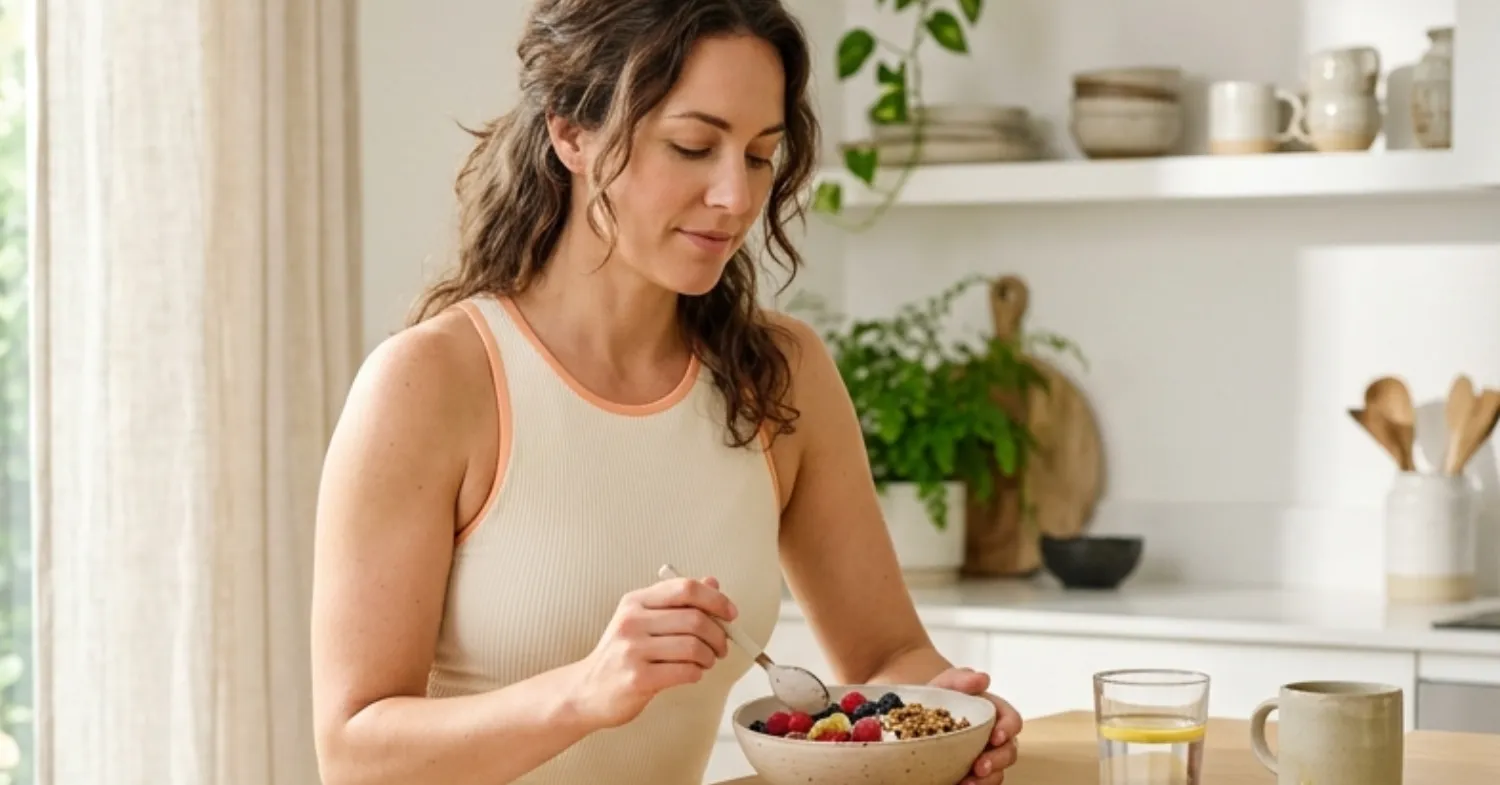
What Is Batch Cooking and Why GLP-1 Users Need This Strategy
Batch cooking basics represent a transformative approach to meal preparation where you dedicate one focused day to creating multiple meals that sustain you for weeks ahead. For individuals using GLP-1 receptor agonists for weight management, this cooking method becomes even more valuable as it perfectly aligns with the appetite-regulating effects of these medications.
GLP-1 medications work by mimicking naturally occurring hormones in your body that help regulate blood sugar levels and reduce appetite. Since GLP-1 medications can create unpredictable eating patterns, batch cooking eliminates the stress of preparing fresh meals when you might feel unmotivated or experience sudden hunger.
[Image Alt Text: GLP-1 batch cooking meal prep containers organized in refrigerator]
The Science Behind GLP-1 and Strategic Meal Planning
Research demonstrates that GLP-1 receptor agonists significantly reduce appetite and food intake by working on specific brain regions that control hunger signals. This biological change creates a unique opportunity for successful weight management when paired with proper meal planning strategies.
Batch cooking basics work synergistically with GLP-1 by ensuring you have appropriate portions available during your eating windows. Since appetite can fluctuate throughout your treatment journey, having various meal options ready means you're never forced to make quick, potentially unhealthy decisions.
7 Powerful Batch Cooking Strategies for GLP-1 Success
1. Protein-Forward Preparation Methods
GLP-1 users often require higher protein intake in smaller volumes to maintain muscle mass during weight loss. Start by seasoning chicken breasts, turkey meatballs, and lean ground beef with different spice blends. While proteins roast in the oven, use your stovetop for fish or plant-based alternatives.
Portion cooked proteins into 3-4 ounce servings immediately after cooking. These smaller portions align perfectly with the reduced appetite many experience with GLP-1 medications, preventing food waste and supporting appropriate intake.
2. Vegetable Volume Cooking Techniques
Sheet pan roasting allows you to prepare several vegetable varieties simultaneously. Broccoli, cauliflower, Brussels sprouts, zucchini, and bell peppers all roast beautifully at 425°F. Season each pan differently to create variety throughout your week.
Spiralized vegetables, riced cauliflower, and pre-chopped salad ingredients store well for quick assembly when appetite appears.
3. Smart Carbohydrate Batch Systems
Cook quinoa, brown rice, and sweet potatoes in large batches. Portion them into half-cup servings for easy meal assembly. These portions work well with the reduced intake common during GLP-1 treatment while providing necessary nutrients.
Preparing carbohydrates separately from proteins and vegetables allows flexible meal combinations based on daily appetite and preferences, supporting long-term adherence.
4. Sauce and Flavor Amplification
Creating multiple sauces during your batch cooking day dramatically increases meal variety. Prepare a tangy lemon herb dressing, a rich tomato sauce, a creamy cashew sauce, and a zesty salsa verde.
Store sauces in small containers or ice cube trays for perfect portions. A tablespoon or two can completely change a meal's flavor profile, preventing the boredom that often derails weight management efforts.
5. Mix-and-Match Container Organization
Create complete meals in some containers while storing individual components separately in others. This dual approach accommodates days when appetite is predictable and days when you prefer smaller, more frequent eating occasions.
Label containers with contents and preparation dates. Most batch-cooked items remain fresh for 4-5 days refrigerated, while frozen portions extend usability to several weeks.
6. Breakfast Batch Solutions
Egg muffins, overnight oats, and protein-rich smoothie packs freeze beautifully. Prepare 2-3 week supplies during your batch cooking session for ultimate morning convenience when early appetite may be minimal.
7. Soup and Stew Multiplication
Soups and stews represent ideal foods for GLP-1 users because they're easy to digest, provide hydration, and allow precise portion control. Use your slow cooker, instant pot, and stovetop simultaneously to create different soup bases.
Freeze soups in individual portions using silicone muffin tins or small containers for comforting meals when solid foods feel less appealing.
Your Complete Batch Cooking Day Timeline
A well-structured batch cooking day transforms overwhelming meal preparation into a manageable process. This timeline works whether you're new to GLP-1 treatment or an experienced user.
Morning (9:00 AM - 12:00 PM): Begin with foods requiring longest cooking times. Start grains in rice cooker, beans in pressure cooker, and proteins in the oven. While these cook, chop all vegetables and prepare sauce ingredients.
Midday (12:00 PM - 3:00 PM): Focus on vegetable roasting and sauce preparation. Portion completed items into storage containers immediately to maintain food safety.
Afternoon (3:00 PM - 5:00 PM): Assemble complete meals, label all containers, and organize refrigerator and freezer.
This six-hour investment typically yields 20-30 meals, saving countless hours during your week while supporting consistent nutrition.
Maximizing Nutritional Value During GLP-1 Treatment
Batch cooking basics extend beyond convenience to ensuring optimal nutrition during your weight management journey. GLP-1 medications create opportunities for improved food choices by reducing cravings and appetite.
Focus on nutrient density rather than calorie counting alone. Leafy greens, colorful vegetables, lean proteins, healthy fats, and complex carbohydrates should dominate your batch cooking preparations.
Protein requirements often increase during weight loss to preserve muscle mass. Aim for 25-30 grams per meal when appetite allows, adjusting portions based on daily tolerance.
Adapting Batch Cooking Throughout Your Journey
Your batch cooking approach should evolve as your body adapts to GLP-1 treatment. Initial weeks might require smaller portions and simpler preparations as your digestive system adjusts.
As treatment progresses and you understand your appetite patterns better, expand recipe variety and experiment with different cuisines. This evolution keeps meals interesting and supports long-term medication adherence.
Taking Action: Your First Batch Cooking Session
Start your batch cooking journey this weekend with a simple, achievable first session. Choose three proteins, four vegetables, and two grain or legume varieties.
Create a detailed shopping list including all ingredients, storage containers, and labels. Set realistic expectations for your first attempt—the process becomes faster with practice.
Remember that batch cooking basics combined with GLP-1 treatment creates a powerful foundation for sustainable weight management. One focused day of preparation provides weeks of nutritious, portion-appropriate meals that support your health goals without daily cooking stress.
The synergy between strategic meal preparation and appetite-regulating medications offers a practical path toward lasting results. By implementing these batch cooking strategies, you transform your kitchen into a tool supporting your wellness journey rather than a source of daily decision fatigue.
Discaimer
This article is for informational purposes only and does not constitute medical advice. The information contained herein is not a substitute for and should never be relied upon for professional medical advice. Always talk to your doctor about the risks and benefits of any treatment. Learn more about our editorial standards here.