
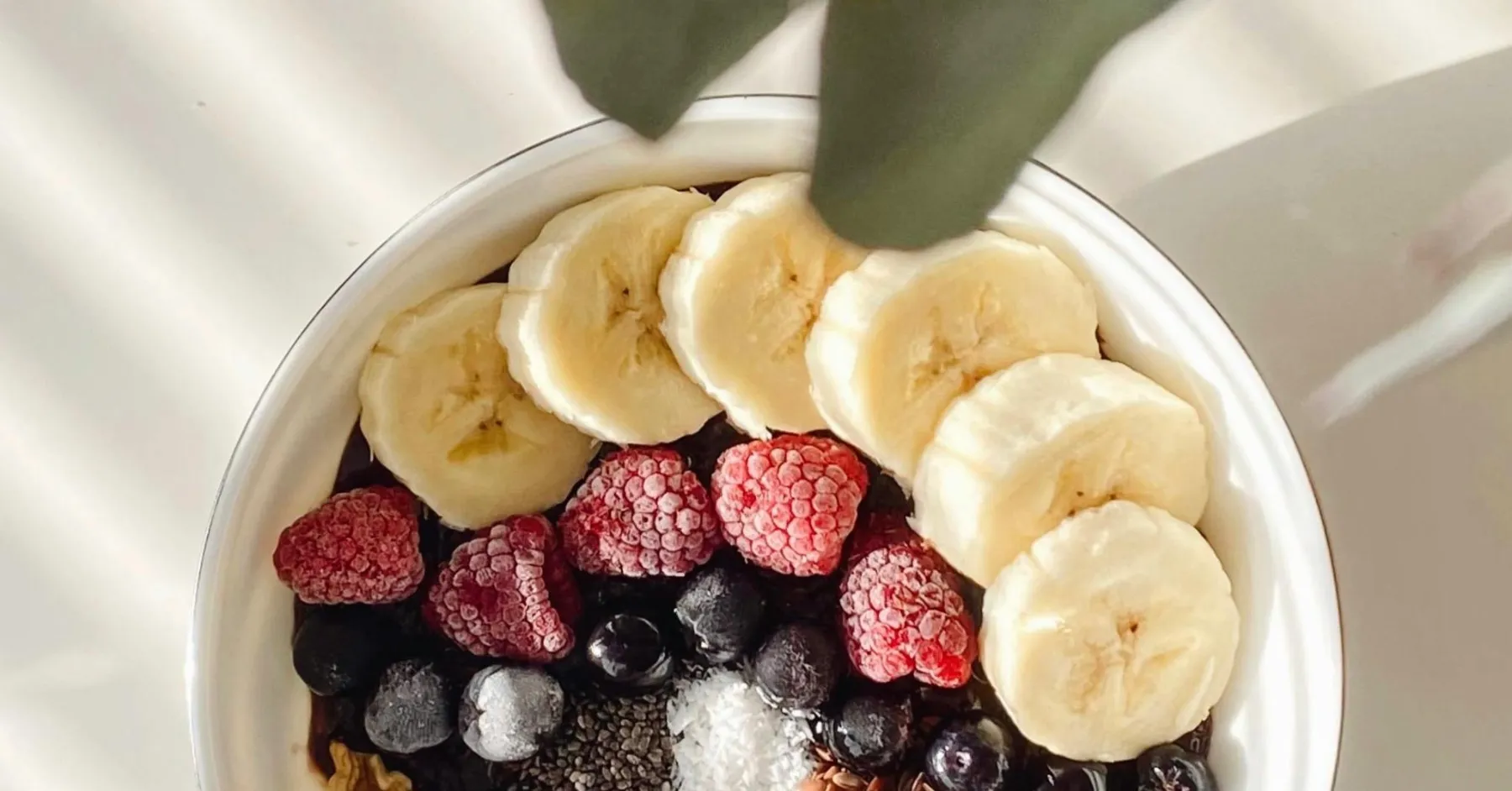
Balanced eating and GLP-1 are one of the most powerful nutritional partnerships in modern weight management science — and understanding how they work together can fundamentally change the quality of your results. GLP-1 (Glucagon-Like Peptide-1) is your body's built-in appetite-regulating hormone, and a well-balanced diet is one of the most effective ways to keep it actively working in your favor every single day.
Most people have heard that balanced eating is important. Far fewer understand precisely why it matters — especially in the context of GLP-1 health. When you understand how each component of a balanced meal interacts with your gut hormones, you stop eating by guesswork and start eating with intention. That shift alone is transformative.
Whether you are already exploring a personalized GLP-1 weight loss program or building your nutritional foundation from the ground up, this guide gives you seven powerful, science-backed balanced eating principles that are simple to understand, easy to apply, and designed to make your natural GLP-1 response work harder for you with every meal.
1. What Is Balanced Eating and Why Is It Essential for GLP-1?
Balanced eating is the practice of consuming a wide variety of whole, nutrient-dense foods in proportions that meet your body's energy needs, support its hormonal systems, and promote long-term metabolic health. It is not a diet. It is not a rulebook. It is a foundational approach to food that your GLP-1 response depends on to function at its best.
According to the World Health Organization, a healthy, balanced diet rests on four core principles that apply universally across all populations and health goals: adequacy, meaning it meets your nutritional needs without excess; balance, meaning the right proportions of protein, carbohydrates, and fats; moderation, meaning limiting foods that work against your health; and diversity, meaning including a wide variety of nutritious whole foods across all food groups.
These four principles align perfectly with what your GLP-1 hormone needs to perform optimally. GLP-1 is released most powerfully in response to protein and fermentable fiber — both of which are central features of any genuinely balanced diet. Ultra-processed foods that lack these nutrients blunt GLP-1 activity. Whole, balanced meals amplify it.
Understanding balanced eating through the lens of GLP-1 gives every nutrition principle a clear, biological reason. You are not eating balanced because someone told you to. You are eating balanced because it is the most direct nutritional investment in your body's own appetite-regulating system.
For practical, GLP-1-aligned grocery shopping strategies that put these balanced eating principles into action, the savvy grocery shopping guide on the Genesis Health blog is an excellent starting point.
2. How GLP-1 Transforms the Way Your Body Responds to Balanced Nutrition
One of the most remarkable things about GLP-1 is how it changes your relationship with food — not through restriction, but through genuine biological recalibration.
GLP-1 (Glucagon-Like Peptide-1) is a hormone naturally produced in the L-cells of your small intestine and colon after eating. It performs three critical functions that make balanced eating dramatically more effective: it signals your brain that you are full, slows the rate at which your stomach empties after meals, and helps your body maintain healthy blood sugar levels in the hours following food intake.
When your GLP-1 activity is well-supported through balanced eating, several profoundly positive things happen. Your hunger between meals decreases naturally — not because you are restricting yourself, but because your body's satiety signals are functioning with clarity and strength. Your cravings for high-sugar, ultra-processed foods diminish because your blood sugar is more stable. And your portions self-regulate because your brain is receiving accurate fullness signals it can actually act on.
This is why balanced eating and GLP-1 are such a powerful pair. A balanced diet does not just nourish your body — it actively fuels the hormone that regulates your appetite, your metabolism, and your relationship with food. Every balanced meal you eat is simultaneously a GLP-1-activating event and a long-term investment in your weight management results.
To explore how a personalized GLP-1 program can work alongside your balanced eating approach, the Genesis Health FAQ page covers the most common questions about GLP-1 and nutrition in clear, straightforward language.
3. Seven Powerful Balanced Eating Principles That Support GLP-1
Principle 1: Make Protein the Anchor of Every GLP-1 Meal
Protein is the single most powerful macronutrient for GLP-1 activation. When you eat protein, your gut's L-cells release GLP-1 rapidly and significantly, triggering the satiety response that keeps you comfortably full for hours. It also preserves lean muscle mass during weight loss — which is essential for maintaining a healthy, active metabolism over the long term.
The practical goal is 25 to 35 grams of protein per meal, sourced from whole, minimally processed options. Chicken breast, salmon, eggs, Greek yogurt, lentils, chickpeas, and tofu are all excellent GLP-1-activating protein choices that integrate seamlessly into any balanced meal. Think of protein not as one component of your plate — think of it as the foundation everything else is built around.
For delicious, GLP-1-friendly high-protein breakfast ideas that anchor your morning meal with adequate protein, the overnight oats recipe guide offers 10 creative, satisfying options that take minutes to prepare and deliver a strong GLP-1 morning response.
Principle 2: Fill Half Your Plate With Fiber-Rich Vegetables and Fruits
Dietary fiber — particularly the fermentable, prebiotic variety found in vegetables, legumes, and certain fruits — is the second most powerful nutritional trigger of GLP-1 secretion. When gut bacteria ferment fiber, they produce short-chain fatty acids (SCFAs) that directly activate your intestinal L-cells to release more GLP-1 into the bloodstream.
The practical goal is to fill at least half of your plate at every meal with fiber-rich, colorful whole foods. Broccoli, spinach, kale, asparagus, zucchini, peppers, sweet potato, apples, pears, and berries are among the most GLP-1-supportive choices. Variety matters here — different plant foods feed different strains of gut bacteria, and a diverse gut microbiome produces more SCFAs and therefore more GLP-1.
For a science-backed breakdown of which fruits produce the strongest GLP-1 response, the best fruits for GLP-1 guide ranks 12 evidence-based options with clear explanations of exactly why each one works at a hormonal level.
Principle 3: Choose Whole Grains Over Refined Carbohydrates Every Time
Carbohydrates are not the enemy of GLP-1 — refined carbohydrates are. The distinction matters enormously. Whole grains — oats, brown rice, quinoa, barley, and whole wheat — are digested slowly, produce a gentler blood sugar response, and deliver the fiber that drives GLP-1 production. Refined grains, by contrast, are rapidly digested, spike blood sugar sharply, and provide virtually no GLP-1-activating fiber.
The practical shift is simple: replace white rice with brown rice, white bread with whole grain bread, and standard pasta with whole wheat or legume-based alternatives. These substitutions require almost no change in how you cook or eat — but they produce a meaningfully different hormonal response that compounds across every meal of every day.
The USDA Dietary Guidelines for Americans recommend that at least half of all grain consumption come from whole grain sources, noting that whole grain intake is associated with lower body weight, better metabolic markers, and reduced chronic disease risk. For GLP-1 support specifically, whole grains are non-negotiable.
Principle 4: Include a Healthy Fat at Every Meal to Extend GLP-1 Activity
Healthy fats are the often-overlooked third component of a balanced GLP-1 meal. When you consume unsaturated fats — from sources like avocado, olive oil, nuts, seeds, and fatty fish — your stomach empties more slowly, which means your GLP-1 response after eating remains active for longer. Healthy fats essentially extend the satiety window that your GLP-1 hormone creates, keeping you comfortably full between meals without the need to eat more.
The practical goal is a moderate, intentional serving of healthy fat at every meal. Half an avocado on a grain bowl. A drizzle of extra virgin olive oil over roasted vegetables. A small handful of walnuts alongside your afternoon snack. A piece of salmon for dinner. These additions are not calories to fear — they are GLP-1 amplifiers that make your balanced meal work harder and longer.
Principle 5: Eat at Consistent Times to Strengthen Your GLP-1 Rhythm
Balanced eating is not only about what you eat — it is also about when you eat. Your gut hormone system, including GLP-1, operates on a biological rhythm that is reinforced by consistent meal timing. When you eat at roughly the same times each day, your body begins anticipating meals, priming your GLP-1 response before food even arrives and creating a more predictable, stable appetite cycle throughout the day.
Irregular eating patterns — skipping meals, eating at highly variable times, or grazing all day — disrupt this rhythm and reduce the strength and predictability of your GLP-1 response. Three consistent, well-balanced meals daily, spaced four to five hours apart, is the framework that best supports sustained GLP-1 activity and the appetite regulation that comes with it.
Staying consistent with your health habits — including meal timing — over the long term is something the staying committed to your GLP-1 journey guide addresses with practical, proven strategies for building the behavioral systems that make consistency effortless.
Principle 6: Hydrate Strategically to Support GLP-1 Digestion
Hydration is a foundational component of balanced eating that is almost universally underemphasized in weight loss conversations — yet it directly supports your GLP-1 digestive process. Water is essential for the fermentation of dietary fiber in the gut, which is the process that produces the SCFAs that trigger GLP-1 release. Without adequate hydration, fiber fermentation slows, SCFA production decreases, and your GLP-1 response is weakened as a result.
Aim for at least 8 to 10 glasses of water daily, increasing this amount on days when you eat higher quantities of fiber or engage in physical activity. Drinking a glass of water 15 to 20 minutes before meals is also a simple, evidence-informed habit that activates gastric stretch receptors and further supports the GLP-1 satiety response at mealtime.
Herbal teas, sparkling water, and water-rich foods like cucumber, watermelon, and leafy greens all contribute to your daily hydration needs and support the digestive environment your GLP-1 hormone depends on.
Principle 7: Minimize Ultra-Processed Foods to Protect Your GLP-1 Response
Balanced eating is as much about what you reduce as what you include — and the most important reduction you can make for GLP-1 health is in ultra-processed food consumption. These products are specifically engineered to be hyper-palatable, calorie-dense, fiber-poor, and nearly impossible to stop eating — which is precisely why they undermine GLP-1 activity so effectively.
Ultra-processed foods digest rapidly and spike blood sugar sharply, bypassing the slower gastric processes that most powerfully activate GLP-1 secretion. They contain little to no fermentable fiber, meaning they produce minimal SCFA-driven GLP-1 release. And they are designed to override the satiety signals your GLP-1 hormone works to send — making you want to eat more even when your body has already received enough energy.
A comprehensive review published in StatPearls via the National Library of Medicine confirms that macronutrient intake directly influences energy balance, body composition, and health outcomes — and that a diet built around nutrient-dense whole food sources is fundamental for health maintenance and the prevention of metabolic disease at every stage of life. Protecting your GLP-1 response from the disruption of ultra-processed foods is one of the most impactful decisions you can make in your balanced eating approach.
For satisfying, GLP-1-friendly meal ideas that make replacing ultra-processed comfort foods genuinely enjoyable, the reinvented comfort food recipes guide offers creative, whole-food alternatives that satisfy cravings without sacrificing your GLP-1 progress.
4. What the Science Says About Balanced Eating and GLP-1 Weight Loss
The scientific evidence supporting balanced, whole-food nutrition as the most effective foundation for weight management and GLP-1 health is both extensive and consistent.
The World Health Organization's global dietary guidelines state clearly that diets built on the four principles of adequacy, balance, moderation, and diversity promote health throughout the life course — and that the most significant global nutrition challenge today is the shift away from these principles toward highly processed, nutrient-poor foods high in unhealthy fats, free sugars, and sodium. These are precisely the foods that most directly undermine GLP-1 activity — and the WHO's global position validates the biological approach at the heart of every GLP-1-supportive balanced eating strategy.
The USDA Dietary Guidelines for Americans provide the most current federal evidence base for nutrition, recommending a dietary pattern rich in vegetables, fruits, whole grains, lean proteins, and healthy fats — and explicitly limiting added sugars, saturated fats, and sodium. These recommendations map directly onto the nutritional profile that most powerfully supports GLP-1 secretion and sustained satiety.
Research published by the Academy of Nutrition and Dietetics analyzed 92 systematic reviews covering more than 22,000 studies on dietary approaches and health outcomes. The findings confirmed that appropriate diet can prevent, manage, and improve outcomes across obesity, cardiovascular disease, and metabolic conditions — but that no single restrictive dietary approach universally outperforms a balanced, whole-food pattern for long-term adherence and health maintenance.
The science is unified: balance, consistency, and whole-food variety are the nutritional pillars that drive long-term GLP-1 weight loss success. Not restriction. Not complexity. Balance.
5. How to Build a Balanced GLP-1 Plate at Every Meal
Here is the simple, repeatable framework for building a GLP-1-supportive balanced plate in under 10 minutes at every meal:
Half your plate — fiber-rich vegetables and fruits. The foundation of every balanced GLP-1 meal. Choose two or three colorful options: broccoli, spinach, sweet potato, peppers, zucchini, berries, or apples. These deliver the fermentable fiber that feeds your gut's GLP-1-producing bacteria.
One quarter of your plate — lean protein. The GLP-1-activating anchor of your meal. Choose from chicken breast, salmon, eggs, Greek yogurt, lentils, chickpeas, or tofu. Aim for 25 to 35 grams per meal to trigger a strong and sustained GLP-1 satiety response.
One quarter of your plate — whole grain or legume. The slow-digesting, fiber-rich carbohydrate that extends your GLP-1 response over time. Choose brown rice, quinoa, oats, whole wheat, or barley. These maintain stable blood sugar and keep your GLP-1 hormone active after the meal.
A serving of healthy fat. The GLP-1 duration extender. Add half an avocado, a drizzle of olive oil, a small handful of nuts, or a tablespoon of chia or flaxseeds. This slows gastric emptying and lengthens the satiety window your GLP-1 creates.
A glass of water. Complete every balanced GLP-1 meal with adequate hydration to support fiber fermentation and digestive GLP-1 activation.
That is your balanced GLP-1 plate. Simple, nutritionally complete, and built to work with your body's hormonal system rather than against it. For even more GLP-1-friendly meal inspiration, the genius GLP-1 leftovers transformation guide shows you how to repurpose balanced meals into satisfying new dishes throughout the week — with zero additional planning or cooking time.
6. Balanced Eating Mistakes That Quietly Undermine GLP-1 Progress
Skipping protein at one or more meals. A meal without adequate protein is a missed GLP-1 activation opportunity. Protein is the most direct dietary trigger of GLP-1 secretion — and leaving it out of even one meal significantly weakens your satiety hormone response for the hours that follow.
Eating too few vegetables and prioritizing protein alone. Protein is essential, but fermentable fiber from vegetables and legumes is equally critical for GLP-1 production through the SCFA pathway. A high-protein, low-vegetable meal activates only half of your GLP-1 response. Balance both macronutrients at every meal for the full hormonal effect.
Choosing low-fat versions of processed foods over whole foods. Many packaged "low-fat" or "diet" products replace fat with added sugar and refined carbohydrates — both of which blunt GLP-1 activity. A whole food with natural fat content is always a better GLP-1 choice than a processed product stripped of fat and loaded with sugar substitutes.
Eating too quickly and missing your GLP-1 fullness signal. GLP-1 takes approximately 15 to 20 minutes to reach peak signaling strength after eating begins. Eating rapidly means you can consume significantly more food before your GLP-1 satiety signal arrives. Slowing down — aiming for at least 20 minutes per meal — allows your GLP-1 response to catch up to your intake and give you accurate fullness feedback. The sensory eating guide on Genesis Health explores this principle in depth and gives you practical techniques to eat more mindfully and feel fuller with genuinely less food.
Treating balanced eating as an all-or-nothing practice. One imperfect meal does not derail a week of GLP-1-supportive balanced eating. The perfection trap is one of the most common reasons people abandon good nutritional habits. Return to balance at the very next meal, every single time, without self-criticism or compensation eating.
Not planning meals before hunger strikes. Unplanned eating almost always defaults to the most convenient available option — which is rarely the most balanced or GLP-1-supportive one. Building the habit of deciding what you will eat before you are hungry is one of the highest-leverage moves available for protecting your GLP-1 progress every day.
For inspiration on setting meaningful health goals that keep your balanced eating on track over the long term, the goals that supercharge your GLP-1 success guide is a deeply practical resource for building the motivation structure that makes balanced eating sustainable for life.
7. People Also Ask: Balanced Eating and GLP-1
What is balanced eating and why does it matter for GLP-1?
Balanced eating means consuming adequate protein, fiber-rich carbohydrates, healthy fats, and micronutrients in proportions that meet your energy needs and support your body's hormonal systems. It matters profoundly for GLP-1 because protein and fermentable fiber — both central to any balanced diet — are the two most powerful dietary triggers of GLP-1 secretion. According to the World Health Organization, a healthy diet built on adequacy, balance, moderation, and diversity promotes health across the entire life course — and these same principles are the foundation of optimal GLP-1 activity.
What foods most powerfully activate GLP-1 as part of a balanced diet?
The most GLP-1-activating foods in a balanced diet include lean proteins such as chicken, salmon, eggs, lentils, and Greek yogurt; fermentable fiber sources such as oats, broccoli, asparagus, garlic, and legumes; fiber-rich fruits such as apples, berries, and pears; whole grains such as brown rice, quinoa, and barley; and healthy fats such as avocado, olive oil, and nuts. Including foods from all five categories at every meal creates the strongest and most sustained GLP-1 hormonal response available through diet. For a deeper look at which specific fruits amplify your GLP-1 response most effectively, visit the best fruits for GLP-1 guide.
How does balanced eating differ from dieting for GLP-1 success?
Balanced eating is fundamentally different from dieting. Dieting typically involves restriction — eliminating food groups, counting calories rigidly, or following temporary rules. Balanced eating is an inclusive, sustainable approach that gives your body everything it needs to function optimally — including the nutrients that most powerfully activate GLP-1. Research reviewed by the Academy of Nutrition and Dietetics confirms that no single restrictive approach universally outperforms a balanced, whole-food dietary pattern for long-term adherence and metabolic health outcomes.
How much protein do I need per meal to support GLP-1?
Most research suggests that 25 to 35 grams of protein per meal is the range most effective for triggering a meaningful GLP-1 secretion response and sustaining satiety for three to four hours after eating. This amount is achievable through a serving of salmon or chicken breast, two to three eggs with Greek yogurt, or a cup of lentils paired with a small protein source. Consistently hitting this protein target at every meal is one of the most impactful balanced eating habits for GLP-1 support.
Does hydration affect GLP-1 and balanced eating?
Yes — and it is one of the most overlooked connections in nutrition. Water is essential for dietary fiber fermentation in the gut, which is the process that produces the short-chain fatty acids that activate GLP-1 secretion. Without adequate hydration, fiber fermentation slows, SCFA production decreases, and your GLP-1 response weakens. Aiming for 8 to 10 glasses of water daily — and drinking a glass before meals — supports the digestive environment that your GLP-1 hormone depends on.
Can I eat balanced while traveling or eating out on a GLP-1 program?
Absolutely. The key is applying the same balanced plate principles — protein, fiber-rich vegetables, whole grain or legume, and a healthy fat — when ordering at restaurants or packing food for travel. Grilled proteins, salads with legumes and avocado, and whole grain options are available at most restaurants and travel settings. For practical, GLP-1-aligned food strategies specifically designed for travel, the GLP-1 travel nutrition guide gives you everything you need to eat balanced no matter where your journey takes you.
Is a balanced diet enough to support a GLP-1 program long-term?
Balanced eating is one of the most powerful foundational tools for long-term GLP-1 success — but it works best as part of a comprehensive, personalized approach that includes provider-guided support, consistent lifestyle habits, and meaningful personal goals. The USDA Dietary Guidelines recommend a balanced dietary pattern as the cornerstone of sustained health and weight management at every stage of life. To explore how a full personalized GLP-1 program pairs with these balanced eating principles for maximum long-term results, the Genesis Health team is ready to guide you.
Final Takeaways
Balanced eating and GLP-1 are not two separate things you manage side by side — they are one integrated system, each making the other more powerful. Your body's GLP-1 hormone is one of the most sophisticated appetite-regulating mechanisms in human biology. And a balanced diet built around protein, fiber, whole grains, healthy fats, and abundant vegetables is the most direct, evidence-backed way to keep it functioning at its absolute best.
The principles in this guide are not complicated. They do not require a nutrition degree or a personal chef. They require understanding, intention, and consistency — applied one balanced meal at a time. Protein at every meal. Vegetables on half your plate. Whole grains instead of refined ones. Healthy fat to extend your satiety. Consistent meal timing to reinforce your GLP-1 rhythm. Adequate water to fuel your gut's hormone-producing process. And a firm commitment to minimizing the ultra-processed foods that work against everything your GLP-1 is trying to do for you.
Every balanced meal you eat is a message to your body that you are serious about your health. Your GLP-1 hormone hears that message — and it responds.
If you are ready to pair these balanced eating principles with a personalized GLP-1 program built specifically around your health goals, body, and lifestyle, the Genesis Health team is here to support every step of your journey with provider-guided care, practical nutrition tools, and a community that is with you from day one.
Balance is not the beginning of a restrictive diet. It is the foundation of a thriving, healthy life. Start building it today.
Discaimer
This article is for informational purposes only and does not constitute medical advice. The information contained herein is not a substitute for and should never be relied upon for professional medical advice. Always talk to your doctor about the risks and benefits of any treatment. Learn more about our editorial standards here.