
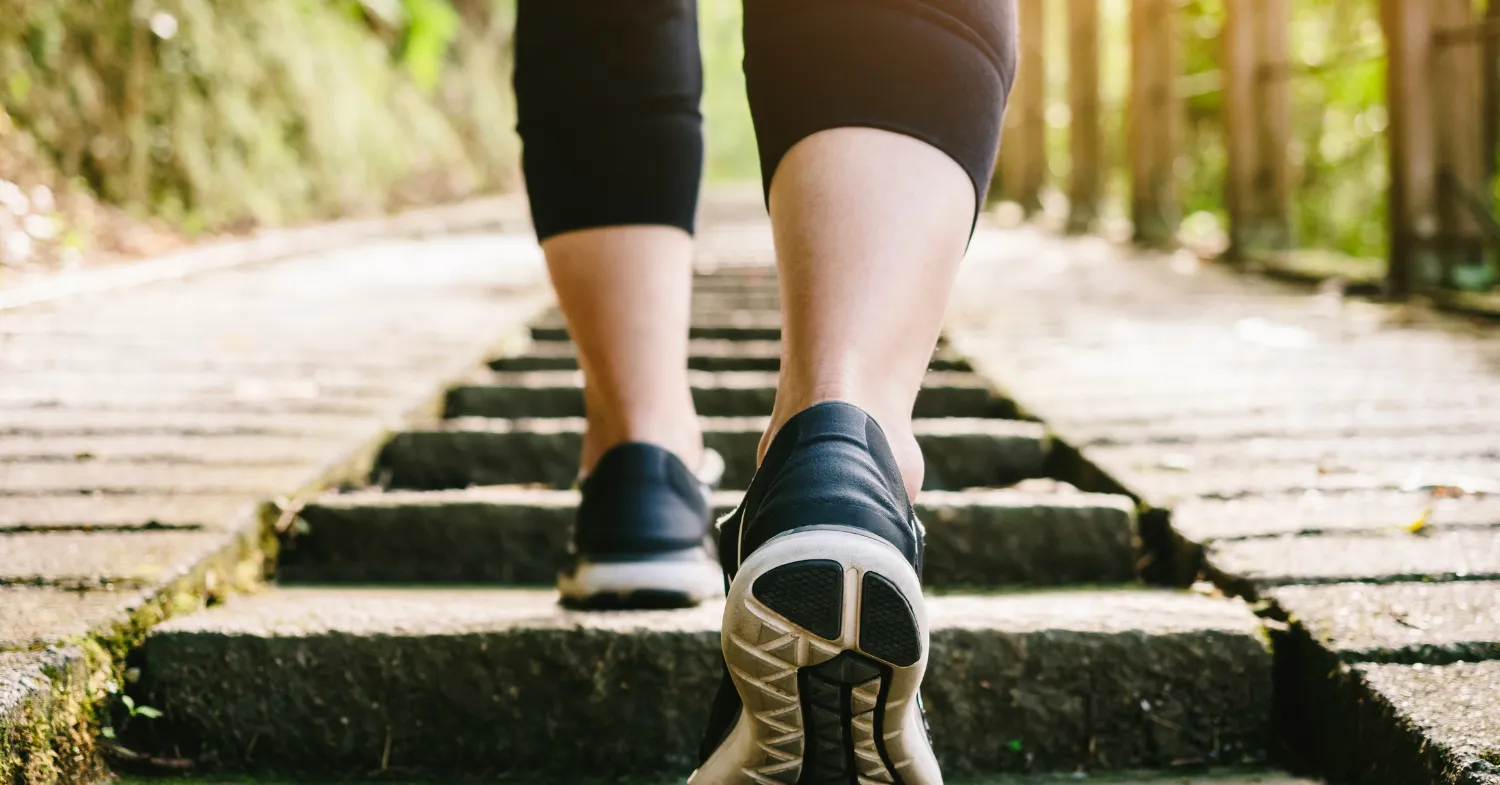
GLP-1 and nature walks are a pairing that most people on a weight loss journey have never fully considered — and it may be one of the most underrated strategies available to you right now. Getting outside, breathing fresh air, and moving your body through a natural environment does far more than burn a few extra calories. It actively influences the hormonal systems your body uses to regulate hunger, manage stress, and support long-term weight management.
Whether you are on a personalized GLP-1 program or simply looking to amplify your daily movement habits, this guide breaks down exactly how and why nature walks deserve a permanent place in your wellness routine.
1. What Is the Connection Between GLP-1 and Nature Walks?
GLP-1 — Glucagon-Like Peptide-1 — is produced naturally in your gut and plays a central role in appetite regulation, blood sugar balance, and satiety signaling. It tells your brain you are full, slows digestion so you feel satisfied for longer, and helps your body process energy more efficiently after meals.
What most people do not realize is that physical movement is one of the most reliable natural triggers for GLP-1 activity. Aerobic exercise — including moderate-intensity walking — has been shown in research to stimulate gut hormone secretion, including GLP-1, creating a positive hormonal ripple effect that extends well beyond the walk itself.
Nature walks add an additional and equally powerful layer to this. Spending time in natural green environments has been scientifically demonstrated to reduce cortisol levels, lower psychological stress, and calm the nervous system. This matters enormously for weight management because chronically elevated cortisol suppresses GLP-1 effectiveness, drives cravings for high-calorie foods, and promotes fat storage — particularly around the midsection.
By combining movement with nature exposure, you are addressing two of the most important hormonal levers in your weight loss journey simultaneously. To understand more about how GLP-1 works as part of a broader program, the Genesis Health FAQ page is a helpful starting point.
2. The Science Behind Movement and Natural GLP-1 Activity
The research connecting physical activity, nature exposure, and metabolic health is robust and growing stronger every year.
A landmark study published on PubMed examining nature walks and brain activity found that participants who walked in a natural green environment showed significantly reduced activity in brain regions associated with repetitive negative thinking and stress compared to those who walked in urban settings. Lower psychological stress directly supports healthier hormonal function, including more effective GLP-1 activity throughout the day.
Research published in NCBI on physical activity and gut hormone secretion confirms that moderate aerobic activity — the kind you engage in during a brisk nature walk — is associated with meaningful increases in GLP-1 release both during and after exercise. This creates an extended window of improved appetite regulation that can last for hours following your walk.
A widely cited PubMed study on walking and metabolic health outcomes demonstrated that regular walking interventions produce measurable improvements in weight, blood pressure, and overall metabolic markers across diverse adult populations — reinforcing that walking remains one of the most clinically supported forms of exercise for sustainable health improvement.
NCBI research on green exercise and psychological wellbeing further established that outdoor exercise in natural environments produces stronger improvements in mood, self-esteem, and stress reduction compared to equivalent exercise performed indoors — all factors that support the kind of consistent lifestyle habits that make a GLP-1 wellness program most effective over time.
The science is clear: nature walks are not just pleasant. They are a legitimate, evidence-backed tool for supporting your body's natural GLP-1 response.
3. Seven Remarkable Benefits of Nature Walks for Your GLP-1 Journey
Benefit 1: Movement Naturally Stimulates GLP-1 Secretion
Every time you take a brisk nature walk, you are activating your body's gut hormone response. Moderate aerobic movement triggers L-cell activity in the gut, which stimulates GLP-1 release — the same hormone that supports appetite control and blood sugar balance. This means your walk is not just burning energy; it is reinforcing the very hormonal pathways that make your GLP-1 program more effective.
Benefit 2: Nature Reduces Cortisol and Protects Your GLP-1 Response
Chronic stress is one of the most significant hidden barriers to effective weight management. Elevated cortisol suppresses GLP-1 effectiveness, increases cravings for calorie-dense foods, and actively promotes fat storage. Spending even 20 to 30 minutes walking in a natural setting — a park, a trail, a tree-lined street — measurably reduces cortisol levels and creates a more favorable hormonal environment for your body to respond to GLP-1 signals.
Benefit 3: Fresh Air and Sunlight Support Metabolic Wellness
Natural light exposure during an outdoor walk helps regulate your circadian rhythm, which in turn supports healthy hormonal cycles including insulin sensitivity, sleep quality, and appetite regulation. Poor sleep and disrupted circadian patterns are both independently linked to reduced GLP-1 sensitivity and increased hunger hormones. A morning or midday nature walk addresses all three of these factors in a single activity.
Benefit 4: Walking After Meals Enhances GLP-1's Blood Sugar Benefits
One of the most powerful timing strategies available to anyone on a GLP-1-supportive lifestyle is a short walk after eating. A 10 to 20 minute gentle walk following a meal has been shown to significantly improve post-meal blood sugar management — amplifying the natural blood sugar-supporting effects of GLP-1 that occur after eating. This simple habit stacks beautifully with the appetite-regulating nutrition strategies covered in our guide on GLP-1 and fiber.
Benefit 5: Nature Walks Build the Consistent Movement Habit That Drives Results
One of the most well-documented challenges in long-term weight management is maintaining consistent physical activity. Gym memberships go unused. High-intensity programs feel overwhelming. Nature walks, by contrast, have a uniquely high adherence rate because they feel enjoyable rather than obligatory. Research consistently shows that people who enjoy their form of exercise maintain it significantly longer. A habit you can sustain for months and years will always outperform an intense routine you abandon after weeks.
Benefit 6: Outdoor Walking Supports Mental Health and Emotional Eating Patterns
The psychological benefits of nature walks are deeply relevant to anyone working on their relationship with food. Emotional eating — consuming food in response to stress, anxiety, boredom, or low mood rather than genuine hunger — is one of the most common barriers to sustained weight loss. Regular time in natural environments has been shown to improve mood, reduce anxiety, and strengthen emotional regulation. When your emotional baseline is steadier, impulsive or comfort-driven eating patterns become easier to manage. This connects directly to the deeper lifestyle transformation explored in our article on GLP-1 identity and weight loss transformation.
Benefit 7: Walking Preserves Lean Muscle During Weight Loss
When the body loses weight, it is at risk of losing both fat and lean muscle — particularly if activity levels are low. Regular walking, including gentle nature walks, signals to the body to preserve muscle tissue while targeting fat stores for energy. Maintaining lean muscle is critical during any weight loss journey because muscle is metabolically active tissue that supports calorie burning at rest. Pairing consistent walking with adequate protein intake — as detailed in our guide on meeting your GLP-1 daily protein needs — gives you the strongest possible foundation for sustainable, body composition-positive weight loss.
4. How Long and How Often Should You Walk for GLP-1 Support?
The good news is that you do not need to walk for hours to see meaningful results. Research supports the following practical targets:
For general metabolic support and GLP-1 activity:Aim for 20 to 30 minutes of brisk walking at least 5 days per week. Brisk means a pace at which you can still hold a conversation but feel slightly breathless — roughly 3 to 4 miles per hour for most adults.
For post-meal blood sugar and GLP-1 amplification:A 10 to 15 minute gentle walk within 30 minutes of eating produces measurable improvements in post-meal metabolic response. This is one of the simplest and most effective daily habits you can add starting today.
For stress reduction and cortisol lowering:Even a single 20 to 25 minute walk in a natural green environment has been shown to produce significant reductions in stress markers. Consistency matters more than duration here — shorter daily walks in nature outperform occasional long ones.
For long-term habit building:Start with what feels genuinely sustainable. If 10 minutes is where you are today, that is a valid and meaningful starting point. Build gradually, just as you would with any other lifestyle change.
5. How to Make Every Nature Walk Work Harder for Your Goals
Getting outside is the most important step. These strategies make each walk more effective for your GLP-1 journey:
Walk after your highest-carbohydrate meal of the day. This is when your body most benefits from the blood sugar-supporting effects of both movement and GLP-1 activity working together.
Choose genuinely natural settings whenever possible. Parks, trails, botanical gardens, waterfronts, and tree-lined paths produce stronger stress-reduction benefits than sidewalks in busy urban environments. Even small green spaces matter.
Leave your phone in your pocket. Screen time during walks reduces the mindfulness and stress-reduction benefits of the natural environment. Let your mind wander, breathe deeply, and allow the walk to be a genuine mental reset.
Walk with a goal but without pressure. Track your steps or duration if it motivates you, but avoid turning every walk into a performance metric. The psychological benefits of nature walking come partly from the absence of achievement pressure.
Pair your walk with a GLP-1-supportive snack plan. Knowing what to eat before and after movement matters for energy, recovery, and appetite management. Our guide on low-calorie snacks for GLP-1 includes practical options that work well around your walking routine.
6. Common Nature Walk Mistakes That Limit Your GLP-1 Results
Walking too slowly to generate hormonal benefit. A leisurely stroll has real value for mental health, but for meaningful metabolic and GLP-1 support, your pace needs to be brisk enough to elevate your heart rate moderately. Pick up the pace to where you can feel your effort — without needing to stop and catch your breath.
Walking indoors on a treadmill instead of outside. Treadmill walking provides cardiovascular benefit, but it does not deliver the cortisol-reducing, mood-elevating effects of genuine natural environment exposure. Where possible, take your walk outdoors.
Only walking occasionally when stressed. The benefits of nature walking are cumulative and depend on consistency. A single walk provides acute relief, but the hormonal and metabolic benefits compound significantly with daily practice over weeks and months.
Undereating on days you walk. When walking is combined with appetite suppression — a common experience on a GLP-1 program — it is important to ensure you are still meeting your nutritional needs, particularly for protein. Under-fueling undermines muscle preservation and long-term results.
Skipping walks when the weather is less than perfect. Research shows that the benefits of outdoor nature exposure remain significant even in overcast, cooler, or mildly rainy conditions. Dress appropriately and go anyway. Consistent imperfect action outperforms occasional perfect conditions every time.
7. People Also Ask: GLP-1 and Nature Walks Questions Answered
NOTE FOR YOUR WEB TEAM: Apply FAQPage schema markup to this entire section for maximum eligibility in Google's People Also Ask boxes and AI answer engines including ChatGPT, Gemini, Grok, and Claude AI.
Do nature walks help increase GLP-1 naturally?
Yes. Moderate aerobic exercise, including brisk walking, has been shown in research to stimulate gut hormone secretion including GLP-1. Combined with the cortisol-lowering effects of natural environments, which are well-documented in NCBI research, nature walks support a more favorable hormonal environment for appetite regulation and metabolic wellness.
How long should a nature walk be to support weight loss?
Research supports a minimum of 20 to 30 minutes of brisk walking at least 5 days per week for meaningful metabolic benefit. Post-meal walks of just 10 to 15 minutes also produce significant improvements in blood sugar management. Start with whatever duration feels sustainable and build gradually over time.
Is walking better than other exercise for GLP-1 support?
Walking is not the only beneficial form of exercise, but it is one of the most consistently practiced because of its accessibility and low barrier to entry. The combination of moderate aerobic effort and natural environment exposure makes nature walking uniquely valuable for both physical and psychological dimensions of weight management. Consistency with walking will always outperform inconsistency with more intense forms of exercise.
Can I combine nature walks with a GLP-1 program?
Absolutely. Regular walking is one of the most recommended lifestyle complements to any GLP-1 wellness program. Movement supports the hormonal environment that GLP-1 relies on, and the stress-reducing effects of nature walking address one of the most common hidden barriers to weight management progress. For a full overview of how lifestyle habits fit into a personalized program, visit the Genesis Health weight loss page.
Does walking outside produce different results than walking indoors?
Research strongly suggests yes. Studies published on PubMed show that walking in natural environments produces measurably greater reductions in stress, negative thinking, and cortisol compared to equivalent walking in urban or indoor settings. For GLP-1 support specifically, the stress-reduction component of outdoor walking in nature is a significant additional benefit that indoor exercise cannot fully replicate.
What should I eat before or after a nature walk on a GLP-1 program?
Light, protein-rich, fiber-forward snacks work best around walking sessions. These support steady energy, protect lean muscle, and complement your GLP-1 response both during and after movement. Our guide on GLP-1 and fiber and our low-calorie GLP-1 snack guide both include practical, ready-to-use options for exactly this situation.
How quickly will I notice results from adding nature walks to my GLP-1 routine?
Many people notice improvements in mood, stress levels, and sleep quality within the first one to two weeks of consistent nature walking. Metabolic and weight-related benefits typically become more apparent over four to eight weeks of regular practice. The key is consistency — small, daily walks compound into significant results over time.
Final Takeaways
The connection between GLP-1 and nature walks is one of the most practical and underutilized strategies in modern weight management. Movement stimulates your body's natural GLP-1 response. Natural environments reduce the cortisol that works against it. Together, they create a powerful daily habit that supports your hormonal health, emotional wellbeing, appetite regulation, and long-term weight loss from the inside out.
You do not need a gym membership, expensive equipment, or an intense training program. You need a pair of supportive shoes and a commitment to getting outside.
Start with 20 minutes today. Walk somewhere green. Breathe the fresh air. Let your body do the rest.
If you are ready to build on this momentum with a personalized GLP-1 program tailored to your specific goals, the Genesis Health team is here to guide you every step of the way.
Your GLP-1 — and your future self — will thank you for every walk you take.
Discaimer
This article is for informational purposes only and does not constitute medical advice. The information contained herein is not a substitute for and should never be relied upon for professional medical advice. Always talk to your doctor about the risks and benefits of any treatment. Learn more about our editorial standards here.