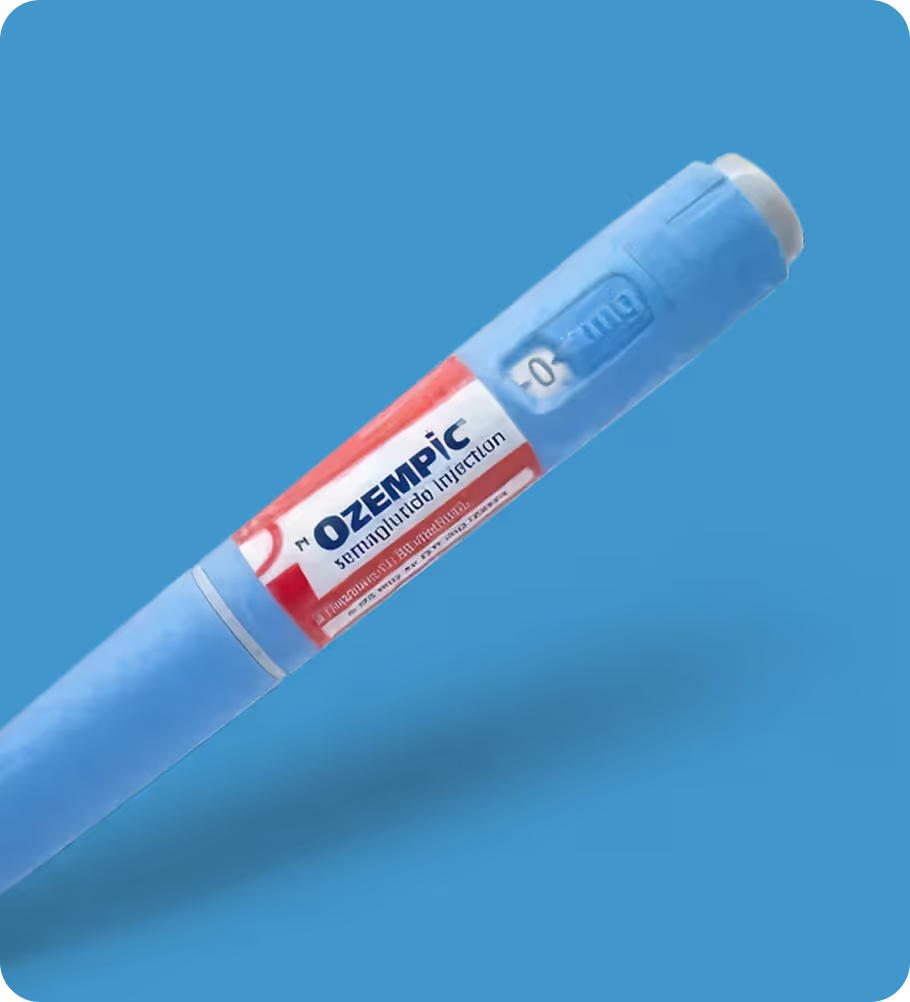
In stock

Personalized GLP‑1 Treatments

In stock
Save up to $100 on your first order
$130
 first month
then 
$239/mo*
Get started
Discount auto-applied at checkout
Same price at every dose. No hidden fees.
Free expedited shipping.
No membership fees.
Doctor-led plans, coaching & active community.
Compounded GLP-1
3-Month Plan
$139
 first month
$239
 /mo after
6-Month Plan
$139
 first month
$239
 /mo after
Monthly Plan
$139
 first month
$239
 /mo after
Compounded GLP-1 + GIP
Monthly Plan
$139
 first month
$239
 /mo after
Your goals, your plan
36 Tablets
Bills and ships every 3 months.
$44 first month
$69
 /mo after
60 Tablets
Bills and ships every 3 months.
$54 first month
$79
 /mo after
90 Tablets
Bills and ships every 3 months.
$74 first month
$99
 /mo after

GLP-1 medications may be preferred over other weight loss drugs due to their non-stimulant nature, reducing the risk of side effects related to stimulant medications. Unlike stimulants such as phentermine, GLP-1s may aid in weight loss while also improving blood sugar control.  The suitability of medications varies depending on your health profile. Start your free telehealth consultation to discuss available medication options with a licensed provider.

Compounded in the U.S.A
FSA & HSA Eligible
What is Personalized GLP-1 treatment?
Are there any side effects?
The statements on this page have not been evaluated by the Food and Drug Administration. This product is not intended to diagnose, treat, cure or prevent any disease.
*Price shown applies to compounded GLP-1 3-Month plan paid upfront or with buy now, pay later programs. Actual price will depend on product and plan prescribed.

**The FDA does not review or approve any compounded medications for safety or effectiveness.

Medication made affordable

Without the need for insurance

Compounded GLP‑1+GIP

First month for $249

Get Started
Go to weight loss page
Important safety information

Compounded GLP‑1+GIP

First month for $249

Get Started
Go to weight loss page
Important safety information

Compounded GLP‑1+GIP

First month for $249

Get Started
Go to weight loss page
Important safety information

Compounded GLP‑1+GIP

First month for $249

Get Started
Go to weight loss page
Important safety information

Compounded GLP‑1+GIP

First month for $249

Get Started
Go to weight loss page
Important safety information
Eden connects patients with licensed providers who may prescribe medication through state-licensed pharmacies. Prescription medication only available if prescribed after an online consultation with a healthcare provider. Physicians may prescribe compounded medications as needed to meet patient requirements or drug shortages. The FDA does not review or approve any compounded medications for safety or effectiveness. Results may vary. Plans are offered as a subscription service which you can cancel at any time. Actual product packaging may appear differently than shown.

Hit your health goals safely & affordably in 3 simple steps

Submit your application and meet with a doctor

STEP
1
Complete a quick form and meet with a licensed medical provider 100% online. They’ll determine if a personalized treatment plan is right for you.
A person holding a cell phone in their hands.

Get your medication delivered at home

STEP
2
If eligible, your custom prescription will be shipped directly to your door, fast and free.

Hand Holding Paper Bag 1

Lose weight with 24/7 support and ongoing care

STEP
3
We’ll be with you every step of the way, with regular check-ins and on-demand medical support to keep you on track.

A woman sitting on a chair looking at a cell phone.

Real people, real results, real medication

Verified customer

Geraldi M. lost 30 lbs in 1 year

“I started losing weight almost immediately. To me, truly, this has been a game-changer.”

A woman standing on a beach next to the ocean.
Before
A woman taking a picture of herself in a mirror.
After
A woman sitting on a bench with a cell phone in her hand.
Before
A woman standing on a porch in front of a tree.
After
Verified customer

Kelly R. lost 49 lbs in 6 months

“I used to constantly crave food in general. I was always hungry before starting the Body Program.”

Begin your medically-led journey today

1-on-1 guidance from US-based health experts
No-cost consultations for continuous treatment optimization
Fast & reliable deliveries with 24/7 support available

Important safety information

for Ozempic, Wegovy, Zepbound, and compounded semaglutide injection

---

Important Safety Information for Wegovy (semaglutide) injection Warning: Risk of Thyroid C-Cell Tumors

  • In studies with mice and rats, semaglutide (the active ingredient in Wegovy and Ozempic) caused thyroid tumors, including thyroid cancer. It is not known if Wegovy will cause thyroid tumors or a type of thyroid cancer called medullary thyroid carcinoma (MTC) in people. Tell your provider if you get a lump or swelling in your neck, hoarseness, trouble swallowing, or shortness of breath. These may be symptoms of thyroid cancer.
  • Do not use Wegovy if you or any of your family have ever had a type of thyroid cancer called medullary thyroid carcinoma (MTC) or if you have an endocrine system condition called Multiple Endocrine Neoplasia syndrome type 2 (MEN 2).

What is the FDA-approved use of Wegovy? Wegovy is a glucagon-like peptide-1 (GLP-1) receptor agonist for chronic weight management, along with a reduced calorie diet and increased physical activity, for people with an initial body mass index (BMI) of: - 30 kg/m2 or greater (obesity) or - 27 kg/m2 or greater (overweight) in the presence of at least one weight-related comorbid condition (e.g., hypertension, type 2 diabetes mellitus, or dyslipidemia).

Limitations of Use: Wegovy should not be used in combination with other semaglutide-containing products or any other GLP-1 receptor agonist The safety and efficacy of coadministration with other products for weight loss have not been established Wegovy has not been studied in patients with a history of pancreatitis

Who should not use Wegovy? Do not use Wegovy if: You or any of your family have ever had a type of thyroid cancer called medullary thyroid carcinoma (MTC) or if you have an endocrine system condition called Multiple Endocrine Neoplasia syndrome type 2 (MEN 2). You have a known allergic reaction to semaglutide (the active ingredient in Wegovy or Ozempic).

How should Wegovy be administered? You can take Wegovy with or without food. The pre-filled injector pen is self-administered as a subcutaneous injection in the stomach, thigh, or upper arm once a week on the same day every week. Your Ro-affiliated provider will guide you on a treatment regimen that may include an increase in dose every four weeks.

You should not change your dosing regimen or stop taking Wegovy as prescribed without discussing with your provider first.

What should I tell my Ro-affiliated provider before using Wegovy? Wegovy has certain drug interactions. It’s important to tell your Ro-affiliated provider all of the medications you are currently taking, including prescription, over-the-counter medications, vitamins, and herbal and dietary supplements.

Some medications to watch out for include: - Medications used to treat type 1 or type 2 diabetes, including insulin or sulfonylureas (such as Amaryl or Glucotrol XL) - Wegovy causes a delay in gastric emptying, so it has the potential to impact the absorption of medications that are taken by mouth at the same time. Your provider can guide you on how to schedule your medications. - Other GLP-1 medications, including Ozempic, Saxenda, Victoza, Byetta, or Bydureon - If you’re using other products for weight loss, including dietary supplements

It’s important to share your entire medical history with your provider. In particular, tell your provider if you have a past history of: - Type 1 or type 2 diabetes - Thyroid cancer - Pancreatitis - Kidney disease - Diabetic retinopathy - Depression - Suicidal thoughts or behavior

Tell your provider if you are pregnant, planning to become pregnant, or breastfeeding. - If you are pregnant: Wegovy should not be used during pregnancy. Based on animal studies, there may be potential risks to an unborn baby from exposure to Wegovy during pregnancy. There is no benefit to weight loss during pregnancy and it may cause harm to the unborn baby. - If you are a female or male of reproductive potential: Discontinue Wegovy at least 2 months before a planned pregnancy since the drug can stay in the bloodstream for a long time. - If you are breastfeeding: Wegovy was found in the milk of lactating rats. Tell your Ro-affiliated provider if you are breastfeeding before you start Wegovy.

Pregnancy registry: There is a pregnancy exposure registry that monitors pregnancy outcomes in women exposed to semaglutide (the active ingredient in Wegovy and Ozempic) during pregnancy. Pregnant women exposed to semaglutide and healthcare providers are encouraged to contact Novo Nordisk at 1-800-727-6500.

Withholding or providing inaccurate information about your health and medical history in order to obtain treatment may result in harm, including, in some cases, death.

What are the most serious side effects that I or a caregiver should monitor for when taking Wegovy?

If you are experiencing a medical emergency, call 911 or seek immediate medical attention.

These serious side effects can occur with Wegovy. You or a caregiver should carefully monitor for these side effects, especially in the beginning of treatment and with dose changes. - Thyroid C-Cell Tumors: In mice and rats, semaglutide (the active ingredient in Wegovy and Ozempic) caused an increase in thyroid C-cell tumors, including medullary thyroid carcinoma (MTC). It is unknown whether Wegovy causes thyroid C-cell tumors in humans. There were cases of MTC reported in patients who took liraglutide (the active ingredient in Victoza and Saxenda) after the drug was put on the market. Wegovy is contraindicated in patients with a family history of MTC or in patients with Multiple Endocrine Neoplasia syndrome type 2 (MEN 2). Tell your provider if you get a lump or swelling in your neck, hoarseness, trouble swallowing, or shortness of breath. These may be symptoms of thyroid cancer. - Inflammation of Pancreas (Acute Pancreatitis): Monitor for signs of acute pancreatitis, including severe abdominal pain that does not go away, sometimes radiating to the back, with or without vomiting. - Acute Gallbladder Disease: Wegovy may cause gallbladder problems, including gallstones. Some gallbladder problems require surgery. Tell your provider right away if you have pain in your upper stomach, yellowing of skin or eyes (jaundice), fever, or clay-colored stools. - Low Blood Sugar (hypoglycemia): Wegovy lowers blood glucose. It can cause too low blood sugar in patients with type 2 diabetes who also take another glucose control medication. Monitor your blood sugar and watch out for signs of too low blood sugar such as dizziness, blurred vision, mood changes, sweating, or fast heartbeat. - Acute Kidney Injury: In people who have kidney problems, diarrhea, nausea, and vomiting may cause a loss of fluids (dehydration) which may cause kidney problems to get worse. It is important for you to drink plenty of water to help reduce your chance of dehydration. - Serious Allergic Reactions: Stop using Wegovy right away if you experience symptoms of a serious allergic reaction, including swelling of your face, lips, tongue or throat, severe rash or itching, very rapid heartbeat, problems breathing or swallowing, or fainting or feeling dizzy. - Diabetic Retinopathy Complications in Patients with Type 2 Diabetes: If you have type 2 diabetes, tell your provider right away if you experience changes in vision. - Increase in Heart Rate: Tell your provider right away if you have a racing heartbeat while at rest. - Suicidal Behavior and Ideation: You should pay attention to any mental health changes, especially sudden changes in your mood, behaviors, thoughts, or feelings. Call your healthcare provider right away if you have any mental changes that are new, worse, or worry you. - Never Share a Pen: Pen-sharing poses a risk of infection.

What are the most common side effects of Wegovy? - Nausea - Diarrhea - Vomiting - Constipation - Abdominal pain - Headache - Fatigue - Dyspepsia - Dizziness - Abdominal distension - Eructation - Hypoglycemia in patients with type 2 diabetes - Flatulence - Gastroenteritis - Gastroesophageal reflux disease

You are encouraged to report negative side effects of prescription products: - Contact Novo Nordisk Inc. at 1-833-934-6891 - Contact FDA MedWatch at 1-800-FDA-1088 or visit www.fda.gov/medwatch

This information is not comprehensive. Please see the [full Prescribing Information](https://www.novo-pi.com/wegovy.pdf) for complete safety information.

Important Safety Information for Ozempic (semaglutide) injection Warning: Risk of Thyroid C-Cell Tumors

- In studies with mice and rats, semaglutide (the active ingredient in Ozempic and Wegovy) caused thyroid tumors, including thyroid cancer. It is not known if Ozempic will cause thyroid tumors or a type of thyroid cancer called medullary thyroid carcinoma (MTC) in people. Tell your provider if you get a lump or swelling in your neck, hoarseness, trouble swallowing, or shortness of breath. These may be symptoms of thyroid cancer. - Do not use Ozempic if you or any of your family have ever had a type of thyroid cancer called medullary thyroid carcinoma (MTC) or if you have an endocrine system condition called Multiple Endocrine Neoplasia syndrome type 2 (MEN 2).

What is the FDA-approved use of Ozempic? Ozempic is a glucagon-like peptide-1 (GLP-1) receptor agonist that is used: - with diet and exercise to improve glycemic control in patients with type 2 diabetes mellitus. - to reduce the risk of major adverse cardiovascular events in patients with type 2 diabetes mellitus and established cardiovascular disease.

Limitations of Use: - Ozempic has not been studied in patients with a history of pancreatitis. - Ozempic is not for treatment of type 1 diabetes mellitus.

Your Ro-affiliated provider may recommend the use of Ozempic as treatment for chronic weight management (obesity or overweight).

Who should not use Ozempic? Do not use Ozempic if: - You or any of your family have ever had a type of thyroid cancer called medullary thyroid carcinoma (MTC) or if you have an endocrine system condition called Multiple Endocrine Neoplasia syndrome type 2 (MEN 2). - You have a known allergic reaction to semaglutide (the active ingredient in Wegovy or Ozempic).

How should Ozempic be administered? You can take Ozempic with or without food. The pre-filled injector pen is self-administered as a subcutaneous injection in the stomach, thigh, or upper arm once a week on the same day every week. Your Ro-affiliated provider will guide you on a treatment regimen that may include an increase in dose every four weeks.

You should not change your dosing regimen or stop taking Ozempic as prescribed without discussing with your provider first.

What should I tell my Ro-affiliated provider before using Ozempic? - Ozempic has certain drug interactions. It’s important to tell your Ro-affiliated provider all of the medications you are currently taking, including prescription, over-the-counter medications, vitamins, and herbal and dietary supplements.

Some medications to watch out for include: - Medications used to treat type 1 or type 2 diabetes, including insulin or sulfonylureas (such as Amaryl or Glucotrol XL) - Ozempic causes a delay in gastric emptying so it has the potential to impact the absorption of medications that are taken by mouth at the same time. Your provider can guide you on how to schedule your medications. - Other GLP-1 medications, including Wegovy, Saxenda, Victoza, Byetta, or Bydureon - If you’re using other products for weight loss, including dietary supplements

It’s important to share your entire medical history with your provider. In particular, tell your provider if you have a past history of: - Type 1 or type 2 diabetes - Thyroid cancer - Pancreatitis - Kidney disease - Diabetic retinopathy - Depression - Suicidal thoughts or behavior

Tell your provider if you are pregnant, planning to become pregnant, or breastfeeding. - If you are pregnant: Ozempic should not be used during pregnancy. Based on animal studies, there may be potential risks to an unborn baby from exposure to Ozempic during pregnancy. There is no benefit to weight loss during pregnancy and it may cause harm to the unborn baby. - If you are a female or male of reproductive potential: Discontinue Ozempic at least 2 months before a planned pregnancy since the drug can stay in the bloodstream for a long time. - If you are breastfeeding: Ozempic was found in the milk of lactating rats. Tell your Ro-affiliated provider if you are breastfeeding before you start Ozempic.

Pregnancy registry: There is a pregnancy exposure registry that monitors pregnancy outcomes in women exposed to semaglutide (the active ingredient in Ozempic and Ozempic) during pregnancy. Pregnant women exposed to semaglutide and healthcare providers are encouraged to contact Novo Nordisk at 1-800-727-6500.

Withholding or providing inaccurate information about your health and medical history in order to obtain treatment may result in harm, including, in some cases, death.

What are the most serious side effects that I or a caregiver should monitor for when taking Ozempic?

If you are experiencing a medical emergency, call 911 or seek immediate medical attention.

These serious side effects can occur with Ozempic. You or a caregiver should carefully monitor for these side effects, especially in the beginning of treatment and with dose changes. - Thyroid C-Cell Tumors: In mice and rats, semaglutide (the active ingredient in Ozempic and Ozempic) caused an increase in thyroid C-cell tumors, including medullary thyroid carcinoma (MTC). It is unknown whether Ozempic causes thyroid C-cell tumors in humans. There were cases of MTC reported in patients who took liraglutide (the active ingredient in Victoza and Saxenda) after the drug was put on the market. Ozempic is contraindicated in patients with a family history of MTC or in patients with Multiple Endocrine Neoplasia syndrome type 2 (MEN 2). Tell your provider if you get a lump or swelling in your neck, hoarseness, trouble swallowing, or shortness of breath. These may be symptoms of thyroid cancer. - Inflammation of Pancreas (Acute Pancreatitis): Monitor for signs of acute pancreatitis, including severe abdominal pain that does not go away, sometimes radiating to the back, with or without vomiting. - Diabetic Retinopathy Complications in Patients with Type 2 Diabetes: If you have type 2 diabetes, tell your provider right away if you experience changes in vision. - Never Share a Pen: Pen-sharing poses a risk of infection. - Low Blood Sugar (hypoglycemia): Ozempic lowers blood glucose. It can cause too low blood sugar in patients with type 2 diabetes who also take another glucose control medication. Monitor your blood sugar and watch out for signs of too low blood sugar such as dizziness, blurred vision, mood changes, sweating, or fast heartbeat. - Acute Kidney Injury: In people who have kidney problems, diarrhea, nausea, and vomiting may cause a loss of fluids (dehydration) which may cause kidney problems to get worse. It is important for you to drink plenty of water to help reduce your chance of dehydration. - Serious Allergic Reactions: Stop using Ozempic right away if you experience symptoms of a serious allergic reaction, including swelling of your face, lips, tongue or throat, severe rash or itching, very rapid heartbeat, problems breathing or swallowing, or fainting or feeling dizzy. - Acute Gallbladder Disease: Ozempic may cause gallbladder problems, including gallstones. Some gallbladder problems require surgery. Tell your provider right away if you have pain in your upper stomach, yellowing of skin or eyes (jaundice), fever, or clay-colored stools. - Increase in Heart Rate: Tell your provider right away if you have a racing heartbeat while at rest. - Suicidal Behavior and Ideation: You should pay attention to any mental health changes, especially sudden changes in your mood, behaviors, thoughts, or feelings. Call your healthcare provider right away if you have any mental changes that are new, worse, or worry you.

What are the most common side effects of Ozempic? - Nausea - Vomiting - Diarrhea - Stomach pain - Constipation

You are encouraged to report negative side effects of prescription products: Contact Novo Nordisk Inc. at 1-833-934-6891 Contact FDA MedWatch at 1-800-FDA-1088 or visit www.fda.gov/medwatch

This information is not comprehensive. Please see the [full Prescribing Information] (https://www.novo-pi.com/ozempic.pdf) for complete safety information.

Important Safety Information for Zepbound (tirzepatide) injection Warning: Risk of Thyroid C-Cell Tumors

- In rats, Zepbound caused thyroid tumors, including thyroid cancer. It is not known if Zepbound will cause thyroid tumors or a type of thyroid cancer called medullary thyroid carcinoma (MTC) in people. Tell your provider if you get a lump or swelling in your neck, hoarseness, trouble swallowing, or shortness of breath. These may be symptoms of thyroid cancer.  - Do not use Zepbound if you or any of your family have ever had a type of thyroid cancer called medullary thyroid carcinoma (MTC) or if you have an endocrine system condition called Multiple Endocrine Neoplasia syndrome type 2 (MEN 2).

What is the FDA-approved use of Zepbound? Zepbound is used along with a reduced-calorie diet and increased physical activity for chronic weight management in adults with an initial body mass index (BMI) of: - 30 kg/m^2 or greater (obesity) or - 27 kg/m^2 or greater (overweight) in the presence of at least one weight-related comorbid condition (e.g., hypertension, dyslipidemia, type 2 diabetes mellitus, obstructive sleep apnea, or cardiovascular disease).

Limitations of Use: - Zepbound should not be used in combination with other tirzepatide-containing products or any other GLP-1 receptor agonist. - The safety and efficacy of coadministration with other products for weight management have not been established. - Zepbound has not been studied in patients with a history of pancreatitis.

Who should not use Zepbound? Do not use Zepbound if: - You or any of your family have ever had a type of thyroid cancer called medullary thyroid carcinoma (MTC) or if you have an endocrine system condition called Multiple Endocrine Neoplasia syndrome type 2 (MEN 2). - You have a known allergic reaction to Zepbound.

How should I take Zepbound? You can take Zepbound with or without food. The pre-filled injector pen is self-administered as a subcutaneous injection in the stomach, thigh, or upper arm once a week on the same day every week. Your Ro-affiliated provider will guide you on a treatment regimen that may include an increase in dose every four weeks.

You should not change your dosing regimen or stop taking Zepbound as prescribed without discussing with your provider first. What should I tell my Ro-affiliated provider before using Zepbound? Zepbound has certain drug interactions. It’s important to tell your Ro-affiliated provider all of the medications you are currently taking, including prescription, over-the-counter medications, vitamins, and herbal and dietary supplements.

Some medications to watch out for include: - Medications for diabetes: Medications used to treat type 1 or type 2 diabetes, including insulin or sulfonylureas (such as Amaryl or Glucotrol XL) - Other oral medications: Zepbound causes a delay in gastric emptying, so it has the potential to impact the absorption of medications that are taken by mouth at the same time. Your provider can guide you on how to schedule your medications. - Hormonal birth control: If you are using an oral hormonal contraceptive (birth control), Zepbound may decrease its efficacy, especially after the first dose. Switch to a non-oral contraceptive method or use a barrier method of contraception for 4 weeks after starting Zepbound and for 4 weeks after each dose escalation, until you reach a maintenance dose. - Other GLP-1 medications: Including Mounjaro, Wegovy, Ozempic, Saxenda, Victoza, Byetta, or Bydureon. These medications should not be taken with Zepbound. - Other products for weight loss: Including dietary supplements

It’s important to share your entire medical history with your provider. In particular, tell your provider if you have a past history of: - Type 1 or type 2 diabetes - Thyroid cancer - Gastrointestinal disease - Pancreatitis - Kidney disease - Diabetic retinopathy - Depression - Suicidal thoughts or behavior

Tell your provider if you are pregnant, planning to become pregnant, or breastfeeding.

If you are pregnant: Zepbound should not be used during pregnancy. Based on animal studies, there may be potential risks to an unborn baby from exposure to Zepbound during pregnancy. There is no benefit to weight loss during pregnancy and it may cause harm to the unborn baby. - If you are a female reproductive potential: Zepbound may reduce the efficacy of oral hormonal contraceptives. Switch to a non-oral contraceptive method, or add a barrier method of contraception for 4 weeks after starting medication and for 4 weeks after each dose escalation until you reach a maintenance dose. - If you are breastfeeding: It is not known if Zepbound passes into breast milk. Talk to your provider first about the benefits and risks of using Zepbound while breastfeeding.

Pregnancy registry: There will be a pregnancy exposure registry that monitors pregnancy outcomes in women exposed to Zepbound during pregnancy. Pregnant patients exposed to Zepbound and healthcare providers are encouraged to contact Eli Lilly and Company at 1-800-LillyRx (1-800-545-5979).

Withholding or providing inaccurate information about your health and medical history in order to obtain treatment may result in harm, including, in some cases, death.

What are the most serious side effects that I or a caregiver should monitor for when taking Zepbound?

If you are experiencing a medical emergency, call 911 or seek immediate medical attention.

These serious side effects are rare, but can occur with Zepbound. You or a caregiver should carefully monitor for these side effects, especially in the beginning of treatment and with dose changes. - Thyroid C-Cell Tumors: In rats, Zepbound caused a dose-dependent and treatment-duration-dependent increase in thyroid C-cell tumors. It is unknown whether Zepbound causes thyroid C-cell tumors in humans. Zepbound is contraindicated in patients with a family history of medullary thyroid cancer (MTC) or in patients with Multiple Endocrine Neoplasia syndrome type 2 (MEN 2). Tell your provider if you get a lump or swelling in your neck, hoarseness, trouble swallowing, or shortness of breath. These may be symptoms of thyroid cancer.  - Severe Gastrointestinal Disease: Zepbound is associated with gastrointestinal side effects, such as nausea, diarrhea, vomiting, constipation, and stomach pain, and can sometimes be severe. It hasn’t been studied in patients with severe gastrointestinal disease and isn’t recommended in these patients. The majority of nausea, vomiting, and/or diarrhea events occurred during a dose increase and decreased over time. - Acute Kidney Injury: Gastrointestinal side effects of Zepbound like diarrhea, nausea, and vomiting may cause a loss of fluids (dehydration), which may cause kidney problems if dehydration is severe. It is important for you to drink plenty of water to help reduce your chance of dehydration. - Acute Gallbladder Disease: Zepbound, other GLP-1 receptor agonists, and weight loss are associated with an increased chance of acute gallbladder disease. Tell your provider right away if you have pain in your upper stomach, yellowing of skin or eyes (jaundice), fever, or clay-colored stools. - Inflammation of Pancreas (Acute Pancreatitis): Monitor for signs of acute pancreatitis, including severe abdominal pain that does not go away, sometimes radiating to the back, with or without vomiting. - Allergic Reactions: Stop using Zepbound right away if you experience symptoms of a serious allergic reaction, including swelling of your face, lips, tongue or throat, severe rash or itching, very rapid heartbeat, problems breathing or swallowing, or fainting or feeling dizzy. - Low Blood Sugar (Hypoglycemia): Zepbound lowers blood glucose. It can cause too low blood sugar in patients with type 2 diabetes who also take another glucose control medication. Monitor your blood sugar and watch out for signs of too low blood sugar such as dizziness, blurred vision, mood changes, sweating, or fast heartbeat. - Diabetic Retinopathy Complications in Patients with a History of Diabetic Retinopathy: Rapid improvement of glucose control has been associated with temporary worsening of diabetic retinopathy. Tell your provider right away if you experience changes in vision. - Suicidal Behavior and Ideation: You should pay attention to any mental health changes, especially sudden changes in your mood, behaviors, thoughts, or feelings. Call your healthcare provider right away if you have any mental changes that are new, worse, or worry you. - Never Share a Pen: Pen-sharing poses a risk of infection.

What are the most common side effects of Zepbound? - Nausea - Diarrhea - Vomiting - Constipation - Stomach pain - Indigestion - Injection site reactions - Feeling tired - Allergic reactions - Belching - Hair loss - Gastroesophageal reflux disease (heartburn)

You are encouraged to report negative side effects of prescription products to the FDA. Visit www.fda.gov/medwatch or call 1-800-FDA-1088.

This information is not comprehensive. Please see the full [Prescribing Information] https://uspl.lilly.com/ zepbound/zepbound.html) for complete safety information.

Important Safety Information for compounded semaglutide injection Compounded drugs are permitted to be prescribed under federal law, but are not FDA-approved and do not undergo safety, effectiveness, or manufacturing review. Your Ro-affiliated provider may recommend certain doses of compounded semaglutide based on your medical evaluation.

Warning: Risk of Thyroid C-Cell Tumors - In studies with mice and rats, semaglutide (the active ingredient in Wegovy and Ozempic) caused thyroid tumors, including thyroid cancer. It is not known if semaglutide will cause thyroid tumors or a type of thyroid cancer called medullary thyroid carcinoma (MTC) in people. Tell your provider if you get a lump or swelling in your neck, hoarseness, trouble swallowing, or shortness of breath. These may be symptoms of thyroid cancer.  - Do not use semaglutide if you or any of your family have ever had a type of thyroid cancer called medullary thyroid carcinoma (MTC) or if you have an endocrine system condition called Multiple Endocrine Neoplasia syndrome type 2 (MEN 2).

What is semaglutide used for?

Semaglutide is a glucagon-like peptide-1 (GLP-1) receptor agonist for chronic weight management, along with a reduced calorie diet and increased physical activity, for people with an initial body mass index (BMI) of: - 30 kg/m2 or greater (obesity) or - 27 kg/m2 or greater (overweight) in the presence of at least one weight-related comorbid condition (e.g., hypertension, type 2 diabetes mellitus, or dyslipidemia).

Limitations of Use:

- Semaglutide should not be used in combination with other semaglutide-containing products or any other GLP-1 receptor agonist - The safety and efficacy of coadministration with other products for weight loss have not been established - Semaglutide has not been studied in patients with a history of pancreatitis - Semaglutide should not be used in patients with type 1 diabetes mellitus

Who should not use semaglutide?

Do not use semaglutide if: - You or any of your family have ever had a type of thyroid cancer called medullary thyroid carcinoma (MTC) or if you have an endocrine system condition called Multiple Endocrine Neoplasia syndrome type 2 (MEN 2). - You have a known allergic reaction to semaglutide (the active ingredient in Wegovy or Ozempic).

How should semaglutide be administered?

You can take semaglutide with or without food. The medication is self-administered as a subcutaneous injection in the stomach, thigh, or upper arm once a week on the same day every week. For detailed instructions on how to administer your dose, refer to your treatment plan or reach out to your Ro-affiliated provider. They will guide you on a treatment regimen that may include an increase in dose every four weeks.

You should not change your dosing regimen or stop taking semaglutide as prescribed without discussing with your provider first.

What should I tell my Ro-affiliated provider before using semaglutide?

- Semaglutide has certain drug interactions. It’s important to tell your Ro-affiliated provider all of the medications you are currently taking, including prescription, over-the-counter medications, vitamins, and herbal and dietary supplements.

Some medications to watch out for include:

- Medications used to treat type 1 or type 2 diabetes, including insulin or sulfonylureas (such as Amaryl or Glucotrol XL) - Semaglutide causes a delay in gastric emptying, so it has the potential to impact the absorption of medications that are taken by mouth at the same time. Your provider can guide you on how to schedule your medications. - Other medications in the same drug class, including Wegovy, Ozempic, Saxenda, Victoza, Trulicity, Byetta, or Bydureon - If you’re using other products for weight loss, including dietary supplements

It’s important to share your entire medical history with your provider. In particular, tell your provider if you have or have a past history of:

- Type 1 or type 2 diabetes - Thyroid cancer - Pancreatitis - Kidney disease - Diabetic retinopathy - Depression - Suicidal thoughts or behavior - Ileus

Tell your provider if you are pregnant, planning to become pregnant, or breastfeeding.

- If you are pregnant: Semaglutide should not be used during pregnancy. Based on animal studies, there may be potential risks to an unborn baby from exposure to semaglutide during pregnancy. There is no benefit to weight loss during pregnancy and it may cause harm to the unborn baby. - If you are breastfeeding: Semaglutide was found in the milk of lactating rats. Tell your Ro-affiliated provider if you are breastfeeding before you start semaglutide.

Withholding or providing inaccurate information about your health and medical history in order to obtain treatment may result in harm, including, in some cases, death.

What are the most serious side effects that I or a caregiver should monitor for when taking semaglutide?

If you are experiencing a medical emergency, call 911 or seek immediate medical attention.

These serious side effects can occur with semaglutide. You or a caregiver should carefully monitor for these side effects, especially in the beginning of treatment and with dose changes.

- Thyroid C-Cell Tumors: In mice and rats, semaglutide (the active ingredient in Wegovy and Ozempic) caused an increase in thyroid C-cell tumors, including medullary thyroid carcinoma (MTC). It is unknown whether semaglutide causes thyroid C-cell tumors in humans. There were cases of MTC reported in patients who took liraglutide (the active ingredient in Victoza and Saxenda) after the drug was put on the market. Semaglutide should not be used if you have a family history of MTC or if you have Multiple Endocrine Neoplasia syndrome type 2 (MEN 2). Tell your provider right away if you get a lump or swelling in your neck, hoarseness, trouble swallowing, or shortness of breath. These may be symptoms of thyroid cancer.  - Inflammation of Pancreas (Acute Pancreatitis): Monitor for signs of acute pancreatitis, including severe abdominal pain that does not go away, sometimes radiating to the back, with or without vomiting. - Acute Gallbladder Disease: Semaglutide may cause gallbladder problems, including gallstones. Some gallbladder problems require surgery. Tell your provider right away if you have pain in your upper stomach, yellowing of skin or eyes (jaundice), fever, or clay-colored stools. - Low Blood Sugar (hypoglycemia): Semaglutide lowers blood glucose. It can cause too low blood sugar in patients with type 2 diabetes who also take another glucose control medication. Monitor your blood sugar and watch out for signs of too low blood sugar such as dizziness, blurred vision, mood changes, sweating, or fast heartbeat. - Acute Kidney Injury: In people who have kidney problems, diarrhea, nausea, and vomiting may cause a loss of fluids (dehydration) which may cause kidney problems to get worse. It is important for you to drink plenty of water to help reduce your chance of dehydration. - Serious Allergic Reactions: Stop using semaglutide right away if you experience symptoms of a serious allergic reaction, including swelling of your face, lips, tongue or throat, severe rash or itching, very rapid heartbeat, problems breathing or swallowing, or fainting or feeling dizzy. - Diabetic Retinopathy Complications in Patients with Type 2 Diabetes: If you have type 2 diabetes, tell your provider right away if you experience changes in vision. - Increase in Heart Rate: Tell your provider right away if you have a racing heartbeat while at rest.  - Suicidal Behavior and Ideation: You should pay attention to any mental health changes, especially sudden changes in your mood, behaviors, thoughts, or feelings. Call your healthcare provider right away if you have any mental changes that are new, worse, or worry you. - Never Share Needles or Syringes: Sharing of needles or syringes poses a risk of infection.

What are the most common side effects of semaglutide?

- Nausea - Diarrhea - Vomiting - Constipation - Abdominal pain - Headache - Fatigue - Dyspepsia - Dizziness - Abdominal distension - Eructation - Hypoglycemia in patients with type 2 diabetes - Flatulence - Gastroenteritis - Gastroesophageal reflux disease

You are encouraged to report negative side effects of prescription products: Contact FDA MedWatch at 1-800-FDA-1088 or visit www.fda.gov/medwatch

This information is not comprehensive. Please see the full Consumer Medical Information for complete safety information.

Experience an average weight loss of 14.9% within a year with a GLP-1*: *After 68 weeks, participants administering once-weekly semaglutide treatment experienced an average of 15% reduction in body weight. The mean change in body weight from baseline to week 68 was −14.9% in the semaglutide group as compared with −2.4% with placebo. (Source)**

Obstructive Sleep Apnea: 10% or more should be the goal to impact clinical symptoms. With the intensive lifestyle intervention (ILI), average weight loss at one year was 10.8 kg (23.76 lb) and these patients at 1 year had a remission of OSA 3 times more common in patients who lost 23.76lb with ILI vs 0.6 kg (1.32 lb) in the diabetes support and education (DSE) group. (Source)

Cardiovascular Disease Risk Factors: Improvement in triglycerides and systolic blood pressure begins with 2-5% weight loss. For diastolic blood pressure and HDL cholesterol, improvement begins at 5-10% weight loss. (Source)

Emotional Health & Confidence: Pursuing dietary interventions for obese patients with comorbid depression could have the additional benefit of relieving some of their depressive symptoms as well as improving their metabolic profile and cardiovascular risk. (Source)

Important safety information 2

for Ozempic, Wegovy, Zepbound, and compounded semaglutide injection

---

Important Safety Information for Wegovy (semaglutide) injection Warning: Risk of Thyroid C-Cell Tumors

  • In studies with mice and rats, semaglutide (the active ingredient in Wegovy and Ozempic) caused thyroid tumors, including thyroid cancer. It is not known if Wegovy will cause thyroid tumors or a type of thyroid cancer called medullary thyroid carcinoma (MTC) in people. Tell your provider if you get a lump or swelling in your neck, hoarseness, trouble swallowing, or shortness of breath. These may be symptoms of thyroid cancer.
  • Do not use Wegovy if you or any of your family have ever had a type of thyroid cancer called medullary thyroid carcinoma (MTC) or if you have an endocrine system condition called Multiple Endocrine Neoplasia syndrome type 2 (MEN 2).

What is the FDA-approved use of Wegovy? Wegovy is a glucagon-like peptide-1 (GLP-1) receptor agonist for chronic weight management, along with a reduced calorie diet and increased physical activity, for people with an initial body mass index (BMI) of: - 30 kg/m2 or greater (obesity) or - 27 kg/m2 or greater (overweight) in the presence of at least one weight-related comorbid condition (e.g., hypertension, type 2 diabetes mellitus, or dyslipidemia).

Limitations of Use: Wegovy should not be used in combination with other semaglutide-containing products or any other GLP-1 receptor agonist The safety and efficacy of coadministration with other products for weight loss have not been established Wegovy has not been studied in patients with a history of pancreatitis

Who should not use Wegovy? Do not use Wegovy if: You or any of your family have ever had a type of thyroid cancer called medullary thyroid carcinoma (MTC) or if you have an endocrine system condition called Multiple Endocrine Neoplasia syndrome type 2 (MEN 2). You have a known allergic reaction to semaglutide (the active ingredient in Wegovy or Ozempic).

How should Wegovy be administered? You can take Wegovy with or without food. The pre-filled injector pen is self-administered as a subcutaneous injection in the stomach, thigh, or upper arm once a week on the same day every week. Your Ro-affiliated provider will guide you on a treatment regimen that may include an increase in dose every four weeks.

You should not change your dosing regimen or stop taking Wegovy as prescribed without discussing with your provider first.

What should I tell my Ro-affiliated provider before using Wegovy? Wegovy has certain drug interactions. It’s important to tell your Ro-affiliated provider all of the medications you are currently taking, including prescription, over-the-counter medications, vitamins, and herbal and dietary supplements.

Some medications to watch out for include: - Medications used to treat type 1 or type 2 diabetes, including insulin or sulfonylureas (such as Amaryl or Glucotrol XL) - Wegovy causes a delay in gastric emptying, so it has the potential to impact the absorption of medications that are taken by mouth at the same time. Your provider can guide you on how to schedule your medications. - Other GLP-1 medications, including Ozempic, Saxenda, Victoza, Byetta, or Bydureon - If you’re using other products for weight loss, including dietary supplements

It’s important to share your entire medical history with your provider. In particular, tell your provider if you have a past history of: - Type 1 or type 2 diabetes - Thyroid cancer - Pancreatitis - Kidney disease - Diabetic retinopathy - Depression - Suicidal thoughts or behavior

Tell your provider if you are pregnant, planning to become pregnant, or breastfeeding. - If you are pregnant: Wegovy should not be used during pregnancy. Based on animal studies, there may be potential risks to an unborn baby from exposure to Wegovy during pregnancy. There is no benefit to weight loss during pregnancy and it may cause harm to the unborn baby. - If you are a female or male of reproductive potential: Discontinue Wegovy at least 2 months before a planned pregnancy since the drug can stay in the bloodstream for a long time. - If you are breastfeeding: Wegovy was found in the milk of lactating rats. Tell your Ro-affiliated provider if you are breastfeeding before you start Wegovy.

Pregnancy registry: There is a pregnancy exposure registry that monitors pregnancy outcomes in women exposed to semaglutide (the active ingredient in Wegovy and Ozempic) during pregnancy. Pregnant women exposed to semaglutide and healthcare providers are encouraged to contact Novo Nordisk at 1-800-727-6500.

Withholding or providing inaccurate information about your health and medical history in order to obtain treatment may result in harm, including, in some cases, death.

What are the most serious side effects that I or a caregiver should monitor for when taking Wegovy?

If you are experiencing a medical emergency, call 911 or seek immediate medical attention.

These serious side effects can occur with Wegovy. You or a caregiver should carefully monitor for these side effects, especially in the beginning of treatment and with dose changes. - Thyroid C-Cell Tumors: In mice and rats, semaglutide (the active ingredient in Wegovy and Ozempic) caused an increase in thyroid C-cell tumors, including medullary thyroid carcinoma (MTC). It is unknown whether Wegovy causes thyroid C-cell tumors in humans. There were cases of MTC reported in patients who took liraglutide (the active ingredient in Victoza and Saxenda) after the drug was put on the market. Wegovy is contraindicated in patients with a family history of MTC or in patients with Multiple Endocrine Neoplasia syndrome type 2 (MEN 2). Tell your provider if you get a lump or swelling in your neck, hoarseness, trouble swallowing, or shortness of breath. These may be symptoms of thyroid cancer. - Inflammation of Pancreas (Acute Pancreatitis): Monitor for signs of acute pancreatitis, including severe abdominal pain that does not go away, sometimes radiating to the back, with or without vomiting. - Acute Gallbladder Disease: Wegovy may cause gallbladder problems, including gallstones. Some gallbladder problems require surgery. Tell your provider right away if you have pain in your upper stomach, yellowing of skin or eyes (jaundice), fever, or clay-colored stools. - Low Blood Sugar (hypoglycemia): Wegovy lowers blood glucose. It can cause too low blood sugar in patients with type 2 diabetes who also take another glucose control medication. Monitor your blood sugar and watch out for signs of too low blood sugar such as dizziness, blurred vision, mood changes, sweating, or fast heartbeat. - Acute Kidney Injury: In people who have kidney problems, diarrhea, nausea, and vomiting may cause a loss of fluids (dehydration) which may cause kidney problems to get worse. It is important for you to drink plenty of water to help reduce your chance of dehydration. - Serious Allergic Reactions: Stop using Wegovy right away if you experience symptoms of a serious allergic reaction, including swelling of your face, lips, tongue or throat, severe rash or itching, very rapid heartbeat, problems breathing or swallowing, or fainting or feeling dizzy. - Diabetic Retinopathy Complications in Patients with Type 2 Diabetes: If you have type 2 diabetes, tell your provider right away if you experience changes in vision. - Increase in Heart Rate: Tell your provider right away if you have a racing heartbeat while at rest. - Suicidal Behavior and Ideation: You should pay attention to any mental health changes, especially sudden changes in your mood, behaviors, thoughts, or feelings. Call your healthcare provider right away if you have any mental changes that are new, worse, or worry you. - Never Share a Pen: Pen-sharing poses a risk of infection.

What are the most common side effects of Wegovy? - Nausea - Diarrhea - Vomiting - Constipation - Abdominal pain - Headache - Fatigue - Dyspepsia - Dizziness - Abdominal distension - Eructation - Hypoglycemia in patients with type 2 diabetes - Flatulence - Gastroenteritis - Gastroesophageal reflux disease

You are encouraged to report negative side effects of prescription products: - Contact Novo Nordisk Inc. at 1-833-934-6891 - Contact FDA MedWatch at 1-800-FDA-1088 or visit www.fda.gov/medwatch

This information is not comprehensive. Please see the [full Prescribing Information](https://www.novo-pi.com/wegovy.pdf) for complete safety information.

Important Safety Information for Ozempic (semaglutide) injection Warning: Risk of Thyroid C-Cell Tumors

- In studies with mice and rats, semaglutide (the active ingredient in Ozempic and Wegovy) caused thyroid tumors, including thyroid cancer. It is not known if Ozempic will cause thyroid tumors or a type of thyroid cancer called medullary thyroid carcinoma (MTC) in people. Tell your provider if you get a lump or swelling in your neck, hoarseness, trouble swallowing, or shortness of breath. These may be symptoms of thyroid cancer. - Do not use Ozempic if you or any of your family have ever had a type of thyroid cancer called medullary thyroid carcinoma (MTC) or if you have an endocrine system condition called Multiple Endocrine Neoplasia syndrome type 2 (MEN 2).

What is the FDA-approved use of Ozempic? Ozempic is a glucagon-like peptide-1 (GLP-1) receptor agonist that is used: - with diet and exercise to improve glycemic control in patients with type 2 diabetes mellitus. - to reduce the risk of major adverse cardiovascular events in patients with type 2 diabetes mellitus and established cardiovascular disease.

Limitations of Use: - Ozempic has not been studied in patients with a history of pancreatitis. - Ozempic is not for treatment of type 1 diabetes mellitus.

Your Ro-affiliated provider may recommend the use of Ozempic as treatment for chronic weight management (obesity or overweight).

Who should not use Ozempic? Do not use Ozempic if: - You or any of your family have ever had a type of thyroid cancer called medullary thyroid carcinoma (MTC) or if you have an endocrine system condition called Multiple Endocrine Neoplasia syndrome type 2 (MEN 2). - You have a known allergic reaction to semaglutide (the active ingredient in Wegovy or Ozempic).

How should Ozempic be administered? You can take Ozempic with or without food. The pre-filled injector pen is self-administered as a subcutaneous injection in the stomach, thigh, or upper arm once a week on the same day every week. Your Ro-affiliated provider will guide you on a treatment regimen that may include an increase in dose every four weeks.

You should not change your dosing regimen or stop taking Ozempic as prescribed without discussing with your provider first.

What should I tell my Ro-affiliated provider before using Ozempic? - Ozempic has certain drug interactions. It’s important to tell your Ro-affiliated provider all of the medications you are currently taking, including prescription, over-the-counter medications, vitamins, and herbal and dietary supplements.

Some medications to watch out for include: - Medications used to treat type 1 or type 2 diabetes, including insulin or sulfonylureas (such as Amaryl or Glucotrol XL) - Ozempic causes a delay in gastric emptying so it has the potential to impact the absorption of medications that are taken by mouth at the same time. Your provider can guide you on how to schedule your medications. - Other GLP-1 medications, including Wegovy, Saxenda, Victoza, Byetta, or Bydureon - If you’re using other products for weight loss, including dietary supplements

It’s important to share your entire medical history with your provider. In particular, tell your provider if you have a past history of: - Type 1 or type 2 diabetes - Thyroid cancer - Pancreatitis - Kidney disease - Diabetic retinopathy - Depression - Suicidal thoughts or behavior

Tell your provider if you are pregnant, planning to become pregnant, or breastfeeding. - If you are pregnant: Ozempic should not be used during pregnancy. Based on animal studies, there may be potential risks to an unborn baby from exposure to Ozempic during pregnancy. There is no benefit to weight loss during pregnancy and it may cause harm to the unborn baby. - If you are a female or male of reproductive potential: Discontinue Ozempic at least 2 months before a planned pregnancy since the drug can stay in the bloodstream for a long time. - If you are breastfeeding: Ozempic was found in the milk of lactating rats. Tell your Ro-affiliated provider if you are breastfeeding before you start Ozempic.

Pregnancy registry: There is a pregnancy exposure registry that monitors pregnancy outcomes in women exposed to semaglutide (the active ingredient in Ozempic and Ozempic) during pregnancy. Pregnant women exposed to semaglutide and healthcare providers are encouraged to contact Novo Nordisk at 1-800-727-6500.

Withholding or providing inaccurate information about your health and medical history in order to obtain treatment may result in harm, including, in some cases, death.

What are the most serious side effects that I or a caregiver should monitor for when taking Ozempic?

If you are experiencing a medical emergency, call 911 or seek immediate medical attention.

These serious side effects can occur with Ozempic. You or a caregiver should carefully monitor for these side effects, especially in the beginning of treatment and with dose changes. - Thyroid C-Cell Tumors: In mice and rats, semaglutide (the active ingredient in Ozempic and Ozempic) caused an increase in thyroid C-cell tumors, including medullary thyroid carcinoma (MTC). It is unknown whether Ozempic causes thyroid C-cell tumors in humans. There were cases of MTC reported in patients who took liraglutide (the active ingredient in Victoza and Saxenda) after the drug was put on the market. Ozempic is contraindicated in patients with a family history of MTC or in patients with Multiple Endocrine Neoplasia syndrome type 2 (MEN 2). Tell your provider if you get a lump or swelling in your neck, hoarseness, trouble swallowing, or shortness of breath. These may be symptoms of thyroid cancer. - Inflammation of Pancreas (Acute Pancreatitis): Monitor for signs of acute pancreatitis, including severe abdominal pain that does not go away, sometimes radiating to the back, with or without vomiting. - Diabetic Retinopathy Complications in Patients with Type 2 Diabetes: If you have type 2 diabetes, tell your provider right away if you experience changes in vision. - Never Share a Pen: Pen-sharing poses a risk of infection. - Low Blood Sugar (hypoglycemia): Ozempic lowers blood glucose. It can cause too low blood sugar in patients with type 2 diabetes who also take another glucose control medication. Monitor your blood sugar and watch out for signs of too low blood sugar such as dizziness, blurred vision, mood changes, sweating, or fast heartbeat. - Acute Kidney Injury: In people who have kidney problems, diarrhea, nausea, and vomiting may cause a loss of fluids (dehydration) which may cause kidney problems to get worse. It is important for you to drink plenty of water to help reduce your chance of dehydration. - Serious Allergic Reactions: Stop using Ozempic right away if you experience symptoms of a serious allergic reaction, including swelling of your face, lips, tongue or throat, severe rash or itching, very rapid heartbeat, problems breathing or swallowing, or fainting or feeling dizzy. - Acute Gallbladder Disease: Ozempic may cause gallbladder problems, including gallstones. Some gallbladder problems require surgery. Tell your provider right away if you have pain in your upper stomach, yellowing of skin or eyes (jaundice), fever, or clay-colored stools. - Increase in Heart Rate: Tell your provider right away if you have a racing heartbeat while at rest. - Suicidal Behavior and Ideation: You should pay attention to any mental health changes, especially sudden changes in your mood, behaviors, thoughts, or feelings. Call your healthcare provider right away if you have any mental changes that are new, worse, or worry you.

What are the most common side effects of Ozempic? - Nausea - Vomiting - Diarrhea - Stomach pain - Constipation

You are encouraged to report negative side effects of prescription products: Contact Novo Nordisk Inc. at 1-833-934-6891 Contact FDA MedWatch at 1-800-FDA-1088 or visit www.fda.gov/medwatch

This information is not comprehensive. Please see the [full Prescribing Information] (https://www.novo-pi.com/ozempic.pdf) for complete safety information.

Important Safety Information for Zepbound (tirzepatide) injection Warning: Risk of Thyroid C-Cell Tumors

- In rats, Zepbound caused thyroid tumors, including thyroid cancer. It is not known if Zepbound will cause thyroid tumors or a type of thyroid cancer called medullary thyroid carcinoma (MTC) in people. Tell your provider if you get a lump or swelling in your neck, hoarseness, trouble swallowing, or shortness of breath. These may be symptoms of thyroid cancer.  - Do not use Zepbound if you or any of your family have ever had a type of thyroid cancer called medullary thyroid carcinoma (MTC) or if you have an endocrine system condition called Multiple Endocrine Neoplasia syndrome type 2 (MEN 2).

What is the FDA-approved use of Zepbound? Zepbound is used along with a reduced-calorie diet and increased physical activity for chronic weight management in adults with an initial body mass index (BMI) of: - 30 kg/m^2 or greater (obesity) or - 27 kg/m^2 or greater (overweight) in the presence of at least one weight-related comorbid condition (e.g., hypertension, dyslipidemia, type 2 diabetes mellitus, obstructive sleep apnea, or cardiovascular disease).

Limitations of Use: - Zepbound should not be used in combination with other tirzepatide-containing products or any other GLP-1 receptor agonist. - The safety and efficacy of coadministration with other products for weight management have not been established. - Zepbound has not been studied in patients with a history of pancreatitis.

Who should not use Zepbound? Do not use Zepbound if: - You or any of your family have ever had a type of thyroid cancer called medullary thyroid carcinoma (MTC) or if you have an endocrine system condition called Multiple Endocrine Neoplasia syndrome type 2 (MEN 2). - You have a known allergic reaction to Zepbound.

How should I take Zepbound? You can take Zepbound with or without food. The pre-filled injector pen is self-administered as a subcutaneous injection in the stomach, thigh, or upper arm once a week on the same day every week. Your Ro-affiliated provider will guide you on a treatment regimen that may include an increase in dose every four weeks.

You should not change your dosing regimen or stop taking Zepbound as prescribed without discussing with your provider first. What should I tell my Ro-affiliated provider before using Zepbound? Zepbound has certain drug interactions. It’s important to tell your Ro-affiliated provider all of the medications you are currently taking, including prescription, over-the-counter medications, vitamins, and herbal and dietary supplements.

Some medications to watch out for include: - Medications for diabetes: Medications used to treat type 1 or type 2 diabetes, including insulin or sulfonylureas (such as Amaryl or Glucotrol XL) - Other oral medications: Zepbound causes a delay in gastric emptying, so it has the potential to impact the absorption of medications that are taken by mouth at the same time. Your provider can guide you on how to schedule your medications. - Hormonal birth control: If you are using an oral hormonal contraceptive (birth control), Zepbound may decrease its efficacy, especially after the first dose. Switch to a non-oral contraceptive method or use a barrier method of contraception for 4 weeks after starting Zepbound and for 4 weeks after each dose escalation, until you reach a maintenance dose. - Other GLP-1 medications: Including Mounjaro, Wegovy, Ozempic, Saxenda, Victoza, Byetta, or Bydureon. These medications should not be taken with Zepbound. - Other products for weight loss: Including dietary supplements

It’s important to share your entire medical history with your provider. In particular, tell your provider if you have a past history of: - Type 1 or type 2 diabetes - Thyroid cancer - Gastrointestinal disease - Pancreatitis - Kidney disease - Diabetic retinopathy - Depression - Suicidal thoughts or behavior

Tell your provider if you are pregnant, planning to become pregnant, or breastfeeding.

If you are pregnant: Zepbound should not be used during pregnancy. Based on animal studies, there may be potential risks to an unborn baby from exposure to Zepbound during pregnancy. There is no benefit to weight loss during pregnancy and it may cause harm to the unborn baby. - If you are a female reproductive potential: Zepbound may reduce the efficacy of oral hormonal contraceptives. Switch to a non-oral contraceptive method, or add a barrier method of contraception for 4 weeks after starting medication and for 4 weeks after each dose escalation until you reach a maintenance dose. - If you are breastfeeding: It is not known if Zepbound passes into breast milk. Talk to your provider first about the benefits and risks of using Zepbound while breastfeeding.

Pregnancy registry: There will be a pregnancy exposure registry that monitors pregnancy outcomes in women exposed to Zepbound during pregnancy. Pregnant patients exposed to Zepbound and healthcare providers are encouraged to contact Eli Lilly and Company at 1-800-LillyRx (1-800-545-5979).

Withholding or providing inaccurate information about your health and medical history in order to obtain treatment may result in harm, including, in some cases, death.

What are the most serious side effects that I or a caregiver should monitor for when taking Zepbound?

If you are experiencing a medical emergency, call 911 or seek immediate medical attention.

These serious side effects are rare, but can occur with Zepbound. You or a caregiver should carefully monitor for these side effects, especially in the beginning of treatment and with dose changes. - Thyroid C-Cell Tumors: In rats, Zepbound caused a dose-dependent and treatment-duration-dependent increase in thyroid C-cell tumors. It is unknown whether Zepbound causes thyroid C-cell tumors in humans. Zepbound is contraindicated in patients with a family history of medullary thyroid cancer (MTC) or in patients with Multiple Endocrine Neoplasia syndrome type 2 (MEN 2). Tell your provider if you get a lump or swelling in your neck, hoarseness, trouble swallowing, or shortness of breath. These may be symptoms of thyroid cancer.  - Severe Gastrointestinal Disease: Zepbound is associated with gastrointestinal side effects, such as nausea, diarrhea, vomiting, constipation, and stomach pain, and can sometimes be severe. It hasn’t been studied in patients with severe gastrointestinal disease and isn’t recommended in these patients. The majority of nausea, vomiting, and/or diarrhea events occurred during a dose increase and decreased over time. - Acute Kidney Injury: Gastrointestinal side effects of Zepbound like diarrhea, nausea, and vomiting may cause a loss of fluids (dehydration), which may cause kidney problems if dehydration is severe. It is important for you to drink plenty of water to help reduce your chance of dehydration. - Acute Gallbladder Disease: Zepbound, other GLP-1 receptor agonists, and weight loss are associated with an increased chance of acute gallbladder disease. Tell your provider right away if you have pain in your upper stomach, yellowing of skin or eyes (jaundice), fever, or clay-colored stools. - Inflammation of Pancreas (Acute Pancreatitis): Monitor for signs of acute pancreatitis, including severe abdominal pain that does not go away, sometimes radiating to the back, with or without vomiting. - Allergic Reactions: Stop using Zepbound right away if you experience symptoms of a serious allergic reaction, including swelling of your face, lips, tongue or throat, severe rash or itching, very rapid heartbeat, problems breathing or swallowing, or fainting or feeling dizzy. - Low Blood Sugar (Hypoglycemia): Zepbound lowers blood glucose. It can cause too low blood sugar in patients with type 2 diabetes who also take another glucose control medication. Monitor your blood sugar and watch out for signs of too low blood sugar such as dizziness, blurred vision, mood changes, sweating, or fast heartbeat. - Diabetic Retinopathy Complications in Patients with a History of Diabetic Retinopathy: Rapid improvement of glucose control has been associated with temporary worsening of diabetic retinopathy. Tell your provider right away if you experience changes in vision. - Suicidal Behavior and Ideation: You should pay attention to any mental health changes, especially sudden changes in your mood, behaviors, thoughts, or feelings. Call your healthcare provider right away if you have any mental changes that are new, worse, or worry you. - Never Share a Pen: Pen-sharing poses a risk of infection.

What are the most common side effects of Zepbound? - Nausea - Diarrhea - Vomiting - Constipation - Stomach pain - Indigestion - Injection site reactions - Feeling tired - Allergic reactions - Belching - Hair loss - Gastroesophageal reflux disease (heartburn)

You are encouraged to report negative side effects of prescription products to the FDA. Visit www.fda.gov/medwatch or call 1-800-FDA-1088.

This information is not comprehensive. Please see the full [Prescribing Information] https://uspl.lilly.com/ zepbound/zepbound.html) for complete safety information.

Important Safety Information for compounded semaglutide injection Compounded drugs are permitted to be prescribed under federal law, but are not FDA-approved and do not undergo safety, effectiveness, or manufacturing review. Your Ro-affiliated provider may recommend certain doses of compounded semaglutide based on your medical evaluation.

Warning: Risk of Thyroid C-Cell Tumors - In studies with mice and rats, semaglutide (the active ingredient in Wegovy and Ozempic) caused thyroid tumors, including thyroid cancer. It is not known if semaglutide will cause thyroid tumors or a type of thyroid cancer called medullary thyroid carcinoma (MTC) in people. Tell your provider if you get a lump or swelling in your neck, hoarseness, trouble swallowing, or shortness of breath. These may be symptoms of thyroid cancer.  - Do not use semaglutide if you or any of your family have ever had a type of thyroid cancer called medullary thyroid carcinoma (MTC) or if you have an endocrine system condition called Multiple Endocrine Neoplasia syndrome type 2 (MEN 2).

What is semaglutide used for?

Semaglutide is a glucagon-like peptide-1 (GLP-1) receptor agonist for chronic weight management, along with a reduced calorie diet and increased physical activity, for people with an initial body mass index (BMI) of: - 30 kg/m2 or greater (obesity) or - 27 kg/m2 or greater (overweight) in the presence of at least one weight-related comorbid condition (e.g., hypertension, type 2 diabetes mellitus, or dyslipidemia).

Limitations of Use:

- Semaglutide should not be used in combination with other semaglutide-containing products or any other GLP-1 receptor agonist - The safety and efficacy of coadministration with other products for weight loss have not been established - Semaglutide has not been studied in patients with a history of pancreatitis - Semaglutide should not be used in patients with type 1 diabetes mellitus

Who should not use semaglutide?

Do not use semaglutide if: - You or any of your family have ever had a type of thyroid cancer called medullary thyroid carcinoma (MTC) or if you have an endocrine system condition called Multiple Endocrine Neoplasia syndrome type 2 (MEN 2). - You have a known allergic reaction to semaglutide (the active ingredient in Wegovy or Ozempic).

How should semaglutide be administered?

You can take semaglutide with or without food. The medication is self-administered as a subcutaneous injection in the stomach, thigh, or upper arm once a week on the same day every week. For detailed instructions on how to administer your dose, refer to your treatment plan or reach out to your Ro-affiliated provider. They will guide you on a treatment regimen that may include an increase in dose every four weeks.

You should not change your dosing regimen or stop taking semaglutide as prescribed without discussing with your provider first.

What should I tell my Ro-affiliated provider before using semaglutide?

- Semaglutide has certain drug interactions. It’s important to tell your Ro-affiliated provider all of the medications you are currently taking, including prescription, over-the-counter medications, vitamins, and herbal and dietary supplements.

Some medications to watch out for include:

- Medications used to treat type 1 or type 2 diabetes, including insulin or sulfonylureas (such as Amaryl or Glucotrol XL) - Semaglutide causes a delay in gastric emptying, so it has the potential to impact the absorption of medications that are taken by mouth at the same time. Your provider can guide you on how to schedule your medications. - Other medications in the same drug class, including Wegovy, Ozempic, Saxenda, Victoza, Trulicity, Byetta, or Bydureon - If you’re using other products for weight loss, including dietary supplements

It’s important to share your entire medical history with your provider. In particular, tell your provider if you have or have a past history of:

- Type 1 or type 2 diabetes - Thyroid cancer - Pancreatitis - Kidney disease - Diabetic retinopathy - Depression - Suicidal thoughts or behavior - Ileus

Tell your provider if you are pregnant, planning to become pregnant, or breastfeeding.

- If you are pregnant: Semaglutide should not be used during pregnancy. Based on animal studies, there may be potential risks to an unborn baby from exposure to semaglutide during pregnancy. There is no benefit to weight loss during pregnancy and it may cause harm to the unborn baby. - If you are breastfeeding: Semaglutide was found in the milk of lactating rats. Tell your Ro-affiliated provider if you are breastfeeding before you start semaglutide.

Withholding or providing inaccurate information about your health and medical history in order to obtain treatment may result in harm, including, in some cases, death.

What are the most serious side effects that I or a caregiver should monitor for when taking semaglutide?

If you are experiencing a medical emergency, call 911 or seek immediate medical attention.

These serious side effects can occur with semaglutide. You or a caregiver should carefully monitor for these side effects, especially in the beginning of treatment and with dose changes.

- Thyroid C-Cell Tumors: In mice and rats, semaglutide (the active ingredient in Wegovy and Ozempic) caused an increase in thyroid C-cell tumors, including medullary thyroid carcinoma (MTC). It is unknown whether semaglutide causes thyroid C-cell tumors in humans. There were cases of MTC reported in patients who took liraglutide (the active ingredient in Victoza and Saxenda) after the drug was put on the market. Semaglutide should not be used if you have a family history of MTC or if you have Multiple Endocrine Neoplasia syndrome type 2 (MEN 2). Tell your provider right away if you get a lump or swelling in your neck, hoarseness, trouble swallowing, or shortness of breath. These may be symptoms of thyroid cancer.  - Inflammation of Pancreas (Acute Pancreatitis): Monitor for signs of acute pancreatitis, including severe abdominal pain that does not go away, sometimes radiating to the back, with or without vomiting. - Acute Gallbladder Disease: Semaglutide may cause gallbladder problems, including gallstones. Some gallbladder problems require surgery. Tell your provider right away if you have pain in your upper stomach, yellowing of skin or eyes (jaundice), fever, or clay-colored stools. - Low Blood Sugar (hypoglycemia): Semaglutide lowers blood glucose. It can cause too low blood sugar in patients with type 2 diabetes who also take another glucose control medication. Monitor your blood sugar and watch out for signs of too low blood sugar such as dizziness, blurred vision, mood changes, sweating, or fast heartbeat. - Acute Kidney Injury: In people who have kidney problems, diarrhea, nausea, and vomiting may cause a loss of fluids (dehydration) which may cause kidney problems to get worse. It is important for you to drink plenty of water to help reduce your chance of dehydration. - Serious Allergic Reactions: Stop using semaglutide right away if you experience symptoms of a serious allergic reaction, including swelling of your face, lips, tongue or throat, severe rash or itching, very rapid heartbeat, problems breathing or swallowing, or fainting or feeling dizzy. - Diabetic Retinopathy Complications in Patients with Type 2 Diabetes: If you have type 2 diabetes, tell your provider right away if you experience changes in vision. - Increase in Heart Rate: Tell your provider right away if you have a racing heartbeat while at rest.  - Suicidal Behavior and Ideation: You should pay attention to any mental health changes, especially sudden changes in your mood, behaviors, thoughts, or feelings. Call your healthcare provider right away if you have any mental changes that are new, worse, or worry you. - Never Share Needles or Syringes: Sharing of needles or syringes poses a risk of infection.

What are the most common side effects of semaglutide?

- Nausea - Diarrhea - Vomiting - Constipation - Abdominal pain - Headache - Fatigue - Dyspepsia - Dizziness - Abdominal distension - Eructation - Hypoglycemia in patients with type 2 diabetes - Flatulence - Gastroenteritis - Gastroesophageal reflux disease

You are encouraged to report negative side effects of prescription products: Contact FDA MedWatch at 1-800-FDA-1088 or visit www.fda.gov/medwatch

This information is not comprehensive. Please see the full Consumer Medical Information for complete safety information.