
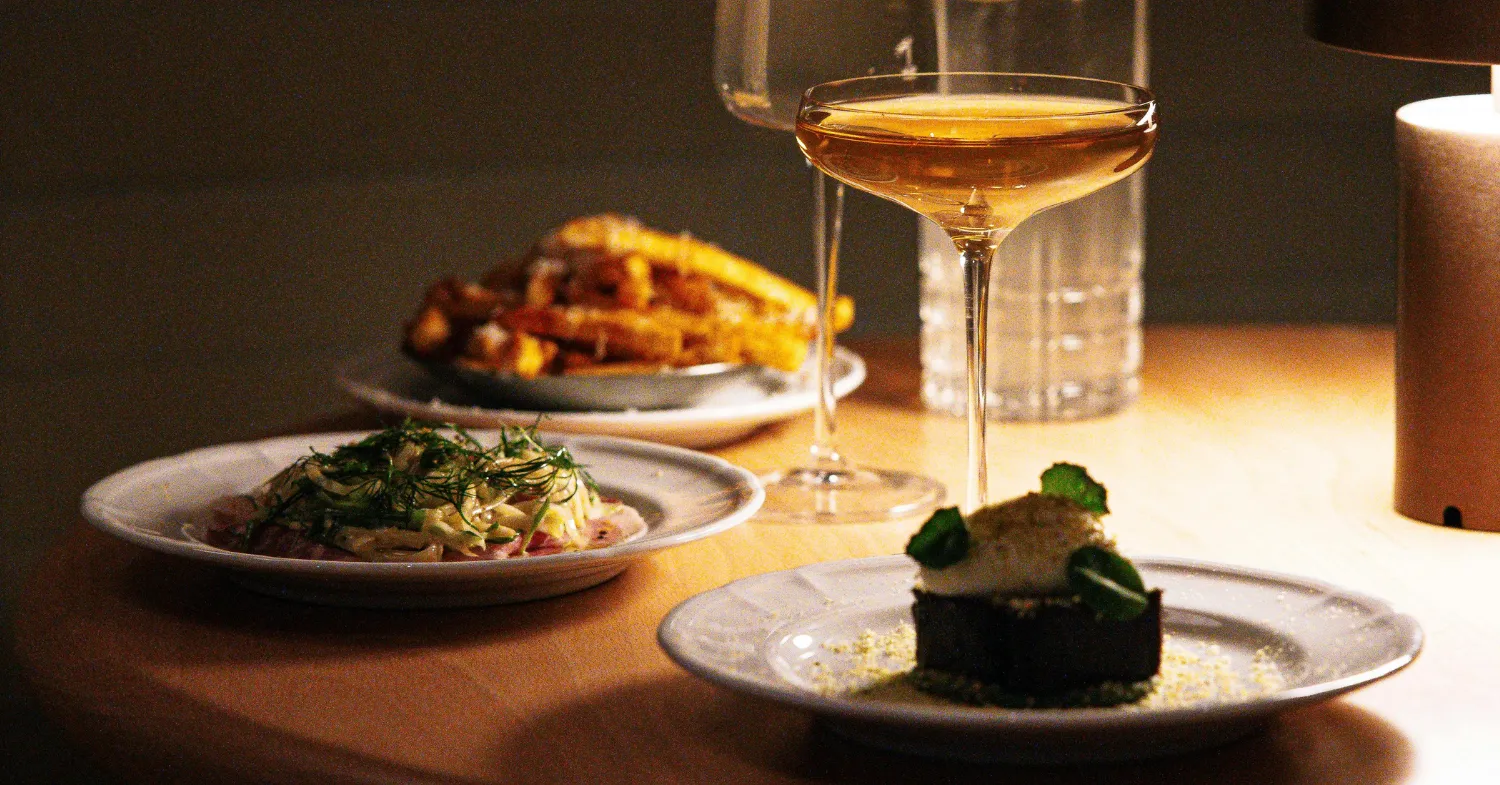
Effortless date night dining is one of the most underrated skills in a successful GLP-1 journey — and one of the least talked about. You can have the best GLP-1 program, the most consistent nutrition habits at home, and genuinely strong motivation, and still find the romance of a dinner out derailed by anxiety over the menu, guilt about your choices, or the quiet tension of navigating a shared meal with someone whose plate looks very different from yours.
If this sounds familiar, you are not alone. Research consistently shows that the dining environment — the restaurant, the company, the occasion — is one of the most powerful influences on food choice, often overriding the best nutritional intentions before the bread basket even arrives. Understanding this dynamic, and having a simple strategy in place, is one of the most valuable tools you can add to your GLP-1 toolkit.
Whether you are just starting a personalized GLP-1 program or are already months into your journey, this guide gives you seven effortless strategies for enjoying date night dining without stress — protecting your progress without sacrificing a single moment of romance.
1. Why Date Night Dining Feels Complicated on a GLP-1 Journey
Before we get into the strategies, it helps to understand why eating out with a romantic partner feels so uniquely complicated during a weight loss journey — and why it does not have to be.
Date nights carry an emotional weight that ordinary meals do not. They are about connection, celebration, and pleasure. Food is woven into all of that. When you are also managing a health program, every menu decision can feel like it is competing with the experience itself — as if choosing the salmon over the pasta is somehow less romantic, or asking about portion sizes breaks the spell of the evening.
A meta-analysis on stress and eating behaviours in healthy adults covering 54 studies and over 119,000 participants found that stress was consistently associated with increased consumption of unhealthy foods and decreased consumption of healthy ones. The anticipatory stress of navigating a restaurant menu on a health program — before you even sit down — can trigger exactly this pattern.
The good news is that once you understand why date night dining feels hard, the solution becomes clear: reduce the stress, and the choices follow naturally. Your GLP-1 program is doing the biological heavy lifting. Your job is simply to arrive at the table prepared, present, and relaxed.
2. How GLP-1 Supports Your Body During Social and Romantic Dining
One of the most significant benefits of supporting your body's natural GLP-1 response — whether through dietary choices or a structured GLP-1 wellness program — is that your appetite and satiety signals become clearer, more reliable, and far less vulnerable to the environmental cues that typically drive overeating in restaurant settings.
GLP-1 (Glucagon-Like Peptide-1) slows gastric emptying after meals, signals fullness to your brain, and helps regulate blood sugar following food intake. In a restaurant environment — where portions are larger, courses are multiple, and the social occasion encourages lingering over food — these effects are genuinely protective. Your body is less likely to respond to the abundance around you with urgency or craving.
This is profoundly important for date night dining specifically. When your GLP-1 is working effectively, you are not white-knuckling your way through a three-course meal. Your biology is helping you enjoy the experience — the food, the atmosphere, the person across the table — without the internal battle that makes dining out feel stressful.
To understand more about how GLP-1 supports your body's natural appetite regulation during social dining situations, the Genesis Health frequently asked questions page covers the most common questions clearly.
3. Seven Effortless Strategies for Stress-Free Date Night Dining
Strategy 1: Review the Menu Before You Arrive
The single most effective thing you can do before any restaurant date night is spend two minutes reviewing the menu online in advance. When you already know what you are ordering before you sit down, the entire dining experience changes. The menu becomes irrelevant to your stress levels. You can focus entirely on your partner.
Look for protein-forward, fiber-rich dishes that align with your GLP-1 program — grilled proteins, vegetable-based sides, salads with substantial toppings, soups with legumes. Identify one or two options that genuinely appeal to you so the choice feels like a pleasure, not a compromise. Arriving prepared is the difference between an effortless evening and an anxious one.
Strategy 2: Eat a Small GLP-1-Supportive Snack Before You Go
One of the most underrated date night strategies is arriving at the restaurant with your appetite already partially addressed. A small, fiber-rich, protein-forward snack 30 to 60 minutes before you leave home means your GLP-1 satiety signals are already active when you sit down.
When you are genuinely not ravenous at the table, every subsequent choice becomes easier. You order what you actually want rather than what hunger demands. You eat more slowly. You enjoy the meal more. And the bread basket loses most of its power.
For GLP-1 friendly snack options that work perfectly as pre-date fuel, our guide to the 10 best low-calorie snacks for GLP-1 gives you satisfying options that take the edge off hunger without filling you up before dinner.
Strategy 3: Order First and Order Confidently
There is a well-documented social phenomenon in group dining: people adjust their orders based on what others at the table choose. When your partner orders the pasta carbonara, the grilled fish suddenly feels like a statement rather than a preference. Ordering first eliminates this entirely.
When the server arrives, order your chosen dish with quiet confidence — no explanations, no apologies, no comparison to what your partner is having. "I will have the salmon with the roasted vegetables" is a complete sentence. Confident ordering is both the most GLP-1-supportive and the most socially elegant choice available to you.
Strategy 4: Redirect Your Focus to Connection, Not Consumption
The deeper truth about date night dining is that you are not there for the food. You are there for the person. When you redirect your attention — genuinely and fully — toward the conversation, the connection, and the experience of being present with someone you care about, food decisions naturally recede to the background.
Ask questions. Share stories. Put your phone away. Look at your partner. Not only does this make the evening more genuinely romantic, but it naturally slows your eating pace, supports better satiety signaling, and makes the meal feel more satisfying with less food. Nobody falls in love over a calorie count — but everyone remembers the evenings they felt truly seen.
Strategy 5: Navigate Shared Dishes and Courses Gracefully
Many date night restaurants are designed around sharing — small plates, tasting menus, shared desserts. These formats can feel like a minefield on a GLP-1 program, but they are actually among the most GLP-1-friendly dining structures available when approached correctly.
With shared dishes, you control your own portion naturally — take what appeals, leave the rest, and let the conversation carry the pacing. For dessert, sharing one dish rather than ordering your own is both romantic and GLP-1-supportive. "Let us share something" is one of the most elegant dining moves available — and it halves the portion automatically.
For GLP-1 friendly meal ideas that complement your restaurant choices and keep your progress strong between date nights, our overnight oats recipe guide has 10 high-protein, fiber-rich options that keep your nutrition on track the morning after an evening out.
Strategy 6: Communicate Your Goals With Your Partner Simply and Positively
Research consistently shows that romantic partners have a powerful influence on each other's eating behaviors — for better or worse. A partner who understands your health goals and supports them, even quietly, is one of the most valuable assets in your GLP-1 journey.
You do not need to have a formal conversation about your program at the dinner table. But a simple, positive framing — shared once, not repeatedly — sets a supportive tone: "I am being really mindful about what I eat these days and it is going really well for me. I would love your support." Most partners, when they understand your commitment, become allies rather than inadvertent obstacles.
Strategy 7: Release the Guilt Before It Starts
One of the most important things you can do for your long-term GLP-1 success is to decide, before you arrive at any restaurant, that one enjoyable meal does not define your progress. Your GLP-1 program operates across weeks and months of consistent choices — not individual meals. A date night dinner, even an indulgent one, is a single data point in a very long, very positive story.
Give yourself genuine permission to enjoy the evening. Order something delicious. Eat slowly. Savor the experience. Then wake up the next morning, return to your usual rhythm, and let your GLP-1 program continue doing what it does. For a deeper look at how fruit and whole food choices support your GLP-1 response between social events, the best fruits for GLP-1 response guide is a great companion resource for keeping your nutrition strong in the days surrounding a date night out.
4. What Science Says About Romantic Partners and Eating Behavior
The influence of a romantic partner on your eating behaviors — including on date nights — is more significant than most people realize, and the evidence is directly relevant to GLP-1 success.
A study on dining partner attractiveness and nutritional food choices found that relationship status, partner sex, and perceived attractiveness all interact to influence the total number of calories ordered during a shared meal. The social and relational context of dining is not a minor factor — it is a central one.
A study on the effects of social control on eating and relational behaviors in romantic relationships found that on days when partners used autonomy-supportive strategies — encouragement rather than restriction or criticism — individuals reported both healthier eating and more constructive relational behaviors. In other words, the way your partner engages with your health goals on a date night directly shapes both what you eat and how you feel about each other afterward.
Crucially, a study on romantic partner undermining of weight loss found that both verbal criticism and behavioral interference from a partner were negatively associated with weight management progress. Understanding this dynamic allows you to proactively shape a supportive relational environment — not by managing your partner, but by communicating your goals clearly, confidently, and without making every dinner out a referendum on your health journey.
5. How to Handle the Most Common Date Night Dining Scenarios
At a fine dining restaurant: These settings offer the most control. Portions are typically smaller, service is slower, and the multi-course structure naturally paces your eating. Choose a protein-forward main, share a starter, and let the experience carry the evening.
At a casual restaurant with large portions: Ask for a to-go box at the start of the meal and set aside half your portion before you begin eating. This removes the visual cue of a full plate and makes appropriate portions automatic rather than effortful.
When your partner orders something you are trying to avoid: Your order is yours. Your partner's order is theirs. Resist the social modeling pull by ordering first and eating slowly enough that the pace difference becomes invisible over the course of the meal.
When the restaurant has limited GLP-1-friendly options: Every menu has a protein source and a vegetable. Build from those. Grilled protein with a side salad or roasted vegetables is available in some form at virtually every restaurant — it simply requires asking rather than ordering as listed.
When alcohol is part of the evening: Alcohol lowers inhibitions around food choices and adds empty calories to any meal. If you choose to drink, one glass of wine with dinner is a far better GLP-1-supportive choice than cocktails before or after. Sparkling water with a twist is equally elegant and completely invisible as a choice.
6. Mistakes to Avoid When Dining Out on a GLP-1 Program
Arriving hungry. Hunger is the most reliable driver of poor restaurant choices. A small pre-dinner snack changes the entire dynamic of the meal. Never arrive at a restaurant ravenous.
Over-restricting before the date to compensate. Skipping meals earlier in the day to save room for dinner is a strategy that reliably backfires — producing excessive hunger by evening and undermining the satiety signals your GLP-1 program depends on. Eat normally throughout the day.
Making the date night about your program. Discussing your calorie targets, explaining your GLP-1 program in detail, or audibly evaluating every item on the menu shifts the entire emotional register of the evening. Your program is yours. The date is shared. Keep them separate.
Letting one indulgent choice cascade. The all-or-nothing mindset — "I already had the bread, so I might as well have the dessert and the pasta" — is one of the most common and most damaging patterns in any weight loss journey. One choice does not obligate the next. Every dish is a fresh decision.
Forgetting that your GLP-1 support is working for you. Your reduced appetite, your stronger satiety signals, your clearer hunger cues — all of these are active on date night, just as they are at home. Trust your program. Trust your body. If you have questions about navigating social dining on your GLP-1 program, the Genesis Health FAQ page is a helpful resource.
7. People Also Ask: Date Night Dining on a GLP-1 Journey
NOTE FOR YOUR WEB TEAM: Apply FAQPage schema markup to this entire section for maximum eligibility in Google's People Also Ask boxes and AI-generated answer panels in ChatGPT, Gemini, Grok, and Claude AI.
How do I enjoy date night dining on a GLP-1 program without stress?The most effective approach combines preparation and presence. Review the menu before you arrive, choose a protein and fiber-forward dish with confidence, eat a small snack beforehand, and redirect your focus to connection rather than consumption. Your GLP-1 program is already supporting your appetite — your job is simply to arrive prepared and let the evening unfold naturally.
What should I order at a restaurant on a GLP-1 program?Prioritize dishes built around lean protein and fiber-rich vegetables — grilled fish, chicken, or legume-based dishes paired with roasted or steamed vegetables. Avoid dishes built primarily around refined carbohydrates or cream-based sauces, which can disrupt the blood sugar stability your GLP-1 program depends on. When in doubt, order protein and vegetables — every restaurant menu has them in some form.
How does stress affect eating on a date night?Significantly. Research covering over 119,000 participants found that stress increases consumption of unhealthy foods while decreasing consumption of healthy ones. The anticipatory anxiety of navigating a restaurant menu on a health program is itself a stress trigger. Reducing that stress — through preparation, a pre-dinner snack, and a clear ordering strategy — directly improves the quality of your food choices on any date night.
Should I tell my partner I am on a GLP-1 program?You are never obligated to disclose the details of your health program. However, research consistently shows that romantic partners who understand and support your health goals produce measurably better eating outcomes than partners who are unaware or inadvertently undermining. A simple, positive statement shared once — "I am being really focused on my health right now and it is going well" — is more than enough to set a supportive tone without making every dinner out a health discussion.
Can I drink alcohol on a date night while on a GLP-1 program?Moderate alcohol consumption — one glass of wine with dinner — is generally manageable on a GLP-1 program. However, alcohol lowers inhibitory control around food choices, adds empty calories, and can disrupt the blood sugar stability your program depends on. If you choose to drink, doing so with food rather than before it, and limiting to one drink, are the most GLP-1-supportive approaches.
What should I eat the day after a date night out on a GLP-1 program?Return immediately to your usual nutrition rhythm without restriction or compensation. Skipping meals the day after an indulgent dinner is counterproductive — it disrupts the stable eating pattern that your GLP-1 program depends on. A fiber-rich, protein-forward breakfast is the single best thing you can do the morning after a date night. Our GLP-1 friendly overnight oats recipes are a perfect reset meal that takes zero morning effort.
Is it possible to fully enjoy date night dining on a GLP-1 program?Completely. GLP-1 programs reduce appetite and strengthen satiety signals — which means you are naturally better equipped to enjoy a restaurant meal without overeating than you were before your program. With the right preparation, the right mindset, and a personalized GLP-1 program that fits your real life, date nights become one of the most enjoyable parts of your health journey rather than the most stressful.
Final Takeaways
Effortless date night dining is not about restriction. It is about preparation, presence, and the quiet confidence that comes from knowing your GLP-1 program is working for you — even at a candlelit table with a wine list and a bread basket in front of you.
The stress, the guilt, the menu anxiety — all of these dissolve when you arrive prepared, eat intentionally, and redirect your focus to what date night is actually for: the person across the table, the conversation that only happens when phones are away, and the kind of connection that has nothing to do with what you ordered.
You do not have to choose between protecting your GLP-1 progress and fully enjoying your romantic life. With the right strategies, the right preparation, and a biology that is actively supporting your choices, you can do both — every time.
If you are ready to explore how a personalized GLP-1 program can support your appetite, your results, and your confidence in every social situation — including the ones that matter most — the Genesis Health team is here to help you build a plan that fits your whole life.
Your progress is worth protecting. And so is your romance.
Discaimer
This article is for informational purposes only and does not constitute medical advice. The information contained herein is not a substitute for and should never be relied upon for professional medical advice. Always talk to your doctor about the risks and benefits of any treatment. Learn more about our editorial standards here.